A SMILE laser eye surgery procedure is a minimally invasive vision correction surgery used in many Australian clinics for suitable patients with short-sightedness, with or without astigmatism. It is designed to reshape the cornea from within, often with a smaller surface incision than LASIK.
Below is what typically happens from arrival to recovery, so they know what to expect and what their clinic will likely check at each step.
What is a SMILE laser eye surgery procedure?
A SMILE laser eye surgery procedure reshapes the cornea by creating a tiny internal “lens” of tissue called a lenticule, then removing it through a small incision. This change alters how light focuses on the retina, aiming to reduce dependence on glasses or contact lenses.
In Australia, it is commonly performed as a day procedure in a refractive surgery centre.
Who is usually eligible for a SMILE laser eye surgery procedure in Australia?
Eligibility for a SMILE laser eye surgery procedure depends on eye health, prescription stability, corneal thickness, and lifestyle needs. Many clinics look for a stable glasses or contact lens prescription and an absence of certain corneal conditions.
They will also check for dry eye, as tear quality can affect comfort and healing, especially in the first weeks.
What happens at the pre-op assessment before the procedure?
Before a SMILE laser eye surgery procedure, they typically attend a detailed assessment that maps the cornea and measures the prescription precisely. Clinics often use corneal topography or tomography, pupil measurements, and tear assessments.
They may be asked to stop contact lenses beforehand, since lenses can temporarily alter corneal shape and affect measurements.

What do they need to do on the day of surgery?
On the day of a SMILE laser eye surgery procedure, they usually arrive without eye makeup, creams around the eyes, perfume, or aftershave. These can interfere with the sterile field and the equipment’s airflow.
Most Australian clinics recommend arranging transport home, because driving immediately after surgery is generally not advised.
What does check-in and preparation look like at an Australian clinic?
At check-in for a SMILE laser eye surgery procedure, staff typically confirm consent, medications, allergies, and the planned correction. They may repeat key measurements or confirm the treatment plan and which eyes are being treated.
Numbing drops are usually placed in the eyes, and they may be given instructions about fixation, blinking, and how the laser room will feel and sound.
What happens right before the laser starts?
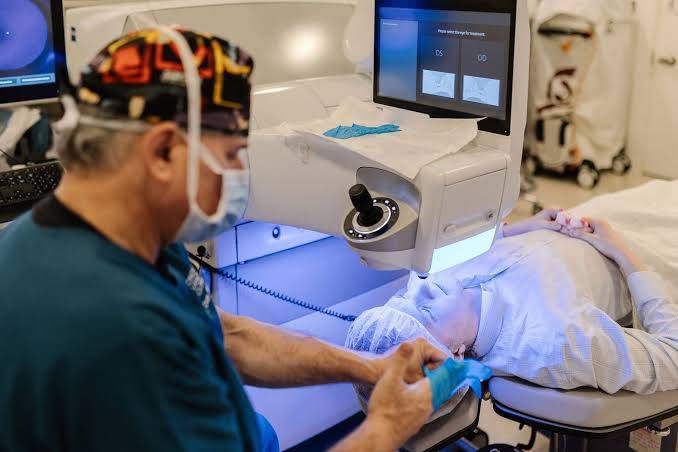
Right before the SMILE laser eye surgery procedure begins, they are positioned on the laser bed and the area around the eye is cleaned. A sterile drape may be applied, and an eyelid holder is placed to prevent blinking.
They are then asked to look at a fixation light, which helps alignment and keeps the eye steady.
What happens during the laser part of a SMILE laser eye surgery procedure?
During the laser portion of a SMILE laser eye surgery procedure, a femtosecond laser creates the lenticule inside the cornea and a small access incision. They may feel gentle pressure and notice dimming of vision for a short time while suction is applied.
The laser itself is usually brief. The key is that the corneal surface is not cut into a large flap, which is one reason many patients ask about SMILE.
How is the lenticule removed, and what do they feel?
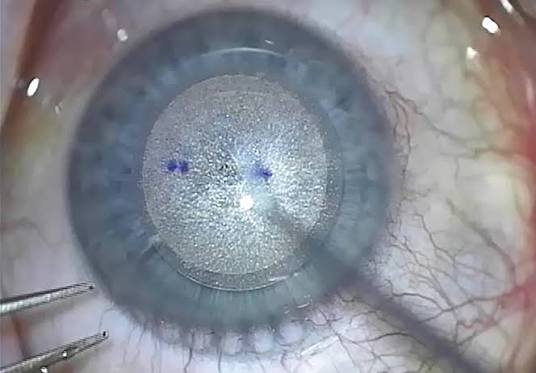
After the laser creates the internal tissue, the surgeon separates and removes the lenticule through the small incision. They might feel mild pressure or awareness of movement, but pain is uncommon due to the numbing drops.
This removal is the step that achieves the corneal shape change. The incision is small and typically does not require stitches.
How long does the procedure usually take?
A SMILE laser eye surgery procedure is usually quick once they are in the laser room, often taking only minutes per eye, though timings vary by clinic and complexity. The full appointment is longer because preparation, checks, and post-op instructions take time.
They should expect to spend extra time at the centre for safety checks before leaving.
What happens immediately after surgery in the clinic?
Right after a SMILE laser eye surgery procedure, they are usually moved to a recovery area where staff re-check the eyes. The clinic may assess the cornea, confirm the incision looks as expected, and ensure there are no immediate concerns.
They are then given post-op drops and clear instructions for the first 24 to 48 hours.
What will their vision feel like right after the procedure?
Immediately after a SMILE laser eye surgery procedure, vision is often hazy or fluctuating. They may experience watering, light sensitivity, and a gritty feeling for several hours.
Many people notice improvement over the first few days, but it can take longer for vision to fully stabilise, especially for fine detail and night-time clarity.
What medications and eye drops are commonly prescribed in Australia?
After a SMILE laser eye surgery procedure, clinics commonly prescribe antibiotic drops and anti-inflammatory drops for a short period. Lubricating drops are also often recommended to support comfort, especially if they have pre-existing dryness.
They should follow their surgeon’s schedule exactly, because overuse or early cessation can affect healing and comfort.
What should they avoid in the first 24–48 hours?
In the first couple of days after a SMILE laser eye surgery procedure, they are usually told not to rub their eyes and to avoid getting water, soap, or shampoo in them. Swimming, spas, and saunas are often restricted for a period because of infection risk.
Most clinics also advise limiting dusty environments and taking care with pets, fans, and smoky settings.
When can they go back to work, driving, and exercise?
Return to routine after a SMILE laser eye surgery procedure varies, but many people are back at desk work within a few days if comfort and vision allow. Driving should only resume once their surgeon or optometrist confirms they meet Australian driving standards.
Light exercise may return earlier than contact sports. Anything that risks an eye knock is usually delayed until the eye has healed sufficiently.
What follow-up appointments are typically scheduled?
Follow-up after a SMILE laser eye surgery procedure often includes an early review, then additional checks over weeks to months depending on the clinic. These visits monitor vision, corneal healing, dryness, and any inflammation.
They should attend every appointment even if vision feels good, because some issues are only visible on examination.
What risks or side effects do Australian patients commonly ask about?
Like any surgery, a SMILE laser eye surgery procedure carries risks and possible side effects. Common early issues include dryness, glare, halos, fluctuating vision, and light sensitivity, which often improve with time and drops.
Less common complications can include infection, inflammation, under or over-correction, or slower visual recovery. Their surgeon should explain personalised risks based on their scans and prescription.
How do they know if they need urgent help after the procedure?
After a SMILE laser eye surgery procedure, they should contact the clinic urgently if there is severe pain, a sudden drop in vision, increasing redness, or discharge. These symptoms can indicate infection or inflammation that needs prompt assessment.
Australian clinics typically provide an after-hours contact pathway for post-op concerns.
What’s the key takeaway about what happens during a SMILE laser eye surgery procedure?
A SMILE laser eye surgery procedure usually follows a predictable sequence: detailed pre-op mapping, numbing drops, laser creation of a lenticule, lenticule removal through a small incision, then structured aftercare. For many patients, the experience is quick and manageable, but results and recovery timing vary.
The best outcomes usually come from careful screening, following drop schedules, attending follow-ups, and avoiding eye rubbing while the cornea stabilises.
A SMILE laser eye surgery procedure is a minimally invasive vision correction surgery that reshapes the cornea by creating and removing a tiny internal tissue called a lenticule through a small incision. This alters how light focuses on the retina, aiming to reduce dependence on glasses or contact lenses.
Eligibility depends on factors like stable prescription, good eye health, sufficient corneal thickness, and absence of certain corneal conditions. Clinics also assess tear quality to ensure comfort and healing, especially if you have dry eyes.
Before the procedure, you’ll undergo detailed assessments including corneal mapping via topography or tomography, precise prescription measurements, pupil size checks, and tear film evaluations. You may be asked to stop wearing contact lenses temporarily to ensure accurate measurements.
On surgery day, avoid wearing eye makeup, creams around the eyes, perfume, or aftershave as they can interfere with sterility and equipment. Arrange transport home since driving immediately post-surgery is not advised.
The laser part typically takes only minutes per eye. The femtosecond laser creates a lenticule inside the cornea and a small incision without cutting a large flap. The surgeon then removes this lenticule through the small incision to reshape your cornea.
Right after surgery, vision may be hazy with watering and light sensitivity. You’ll receive post-op drops including antibiotics and anti-inflammatory medications. Avoid rubbing your eyes and keep water, soap, shampoo away from your eyes for 24–48 hours. Follow your surgeon’s instructions carefully for optimal healing.