Snoring is common, but it is not always harmless. When breathing repeatedly pauses during sleep, it can point to obstructive sleep apnoea and a sleep apnea test Brisbane clinics offer may be the next practical step.
This guide covers the most common signs, who is most at risk, and what Brisbane-based testing typically involves, so they can decide whether to book a sleep apnea test Brisbane clinics offer.
What is sleep apnoea, and why does it matter?
Sleep apnoea is a sleep-related breathing disorder where the airway narrows or collapses during sleep, reducing oxygen and fragmenting rest. It matters because untreated sleep apnoea is linked with daytime impairment and higher risks for health issues that Australians commonly manage through their GP, such as high blood pressure.
In many cases, people do not notice their own breathing pauses. A partner or family member often spots the pattern first.
Which nighttime breathing signs suggest they should book a test?
Loud, persistent snoring plus witnessed pauses in breathing is one of the clearest prompts to consider a Brisbane sleep apnea test clinics offer. Gasping, choking, or snorting sounds that restart breathing are also classic red flags.
Restless sleep can be another clue. They may toss and turn, wake frequently, or feel like they never reach deeper sleep, even after a full night in bed.
How can morning symptoms point to sleep apnoea?
Waking with a dry mouth, sore throat, or headache can suggest disturbed breathing overnight. Morning headaches are sometimes related to changes in oxygen and carbon dioxide levels during sleep.
They might also wake feeling unrefreshed, even after seven to nine hours. If this pattern is consistent, a sleep apnea test Brisbane clinics offer can help clarify whether breathing disruptions are part of the cause.
When is daytime sleepiness more than “just tired”?
If they regularly struggle to stay awake while reading, watching TV, in meetings, or as a passenger in a car, it can signal excessive daytime sleepiness. Microsleeps, where they briefly nod off without realising, can be particularly concerning.
Daytime sleepiness is not only uncomfortable. It can increase accident risk, especially for people commuting on Brisbane motorways or driving for work.
Can mood, focus, and memory changes be warning signs?
Yes. Poor sleep quality can affect attention, working memory, and decision-making, even when they believe they slept “enough.” They may notice brain fog, reduced concentration, or more mistakes at work.
Irritability, lowered mood, or increased anxiety can also show up. When these changes coincide with snoring or witnessed breathing pauses, a sleep apnea test Brisbane clinics offer is often a sensible next step.
Do they wake up often to urinate at night?
Frequent nighttime urination, sometimes called nocturia, can be associated with sleep apnoea. Repeated arousals can alter hormones that influence urine production, and the body may respond to breathing events by waking more often.
While nocturia has many causes, it is worth mentioning to a GP, particularly if it comes with loud snoring and fatigue.
Could high blood pressure be related to sleep apnoea?
It can be. Sleep apnoea is commonly associated with hypertension, and some people find their blood pressure remains difficult to control until sleep apnoea is treated.
If they have high blood pressure plus snoring, daytime sleepiness, or witnessed apnoeas, a sleep apnea test Brisbane clinics offer may be recommended as part of a broader health review.
Who is at higher risk in the Australian context?
Risk tends to increase with age, higher body weight, and certain airway features, but sleep apnoea can affect people of many shapes and sizes. Men are diagnosed more often, and risk also rises for women after menopause.
Alcohol use in the evening can worsen airway collapse. Nasal congestion, hay fever, and chronic sinus issues, which are common in many parts of Australia, can also contribute to snoring and breathing difficulty at night.
Can they have sleep apnoea even if they do not snore?
Yes. Snoring is common but not required for a diagnosis. Some people mainly experience choking awakenings, insomnia-like symptoms, or daytime fatigue without loud snoring.
That is why a clinician may still suggest a sleep apnea test Brisbane clinics offer when symptoms and risk factors add up, even if snoring is mild or absent.
What if they have insomnia or “wired but tired” sleep?
Some people with sleep apnoea do not present as classic sleepy snorers. They may describe light sleep, frequent awakenings, or difficulty staying asleep, then feel exhausted during the day.
When insomnia symptoms occur alongside morning headaches, nocturia, or reports of breathing pauses, a sleep apnea test Brisbane clinics offer can help rule sleep apnoea in or out.
How can partners and family help spot the signs?
Bed partners often notice loud snoring, irregular breathing, pauses, and gasping first. They may also observe unusual sleeping positions, like propping up with pillows to breathe more easily.
It can help if they record short audio or notes on what they hear and when it happens. Bringing that information to a GP appointment in Brisbane can speed up the decision about whether a sleep apnea test Brisbane clinics offer is appropriate.
What happens in a sleep apnoea test in Brisbane?
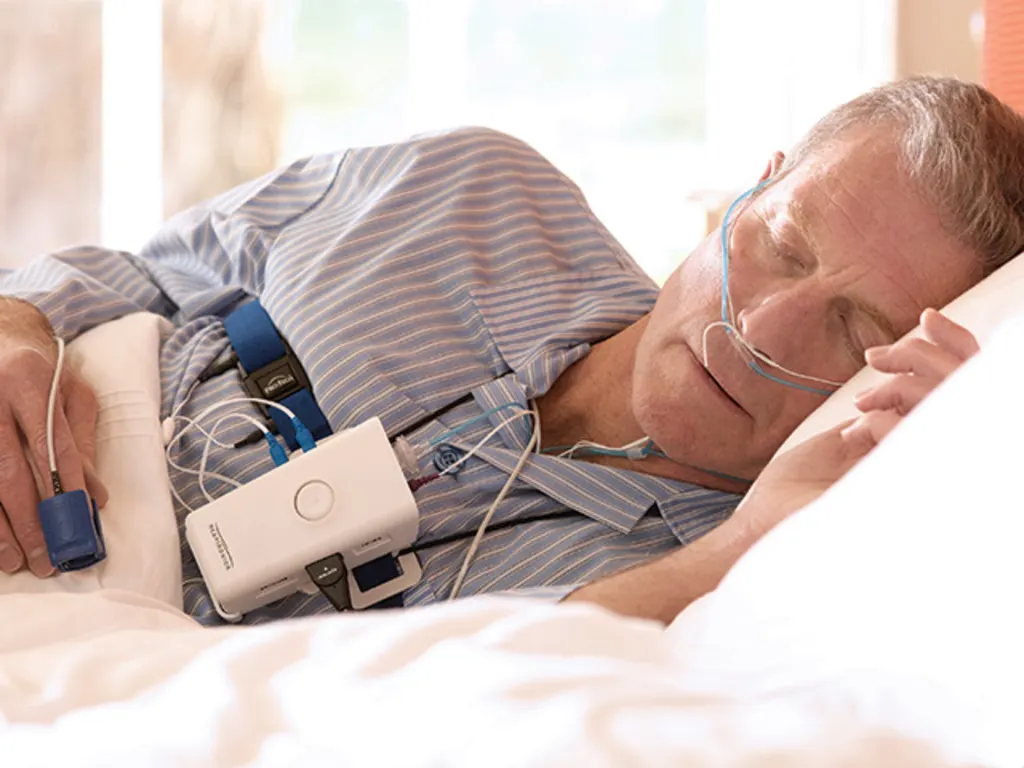
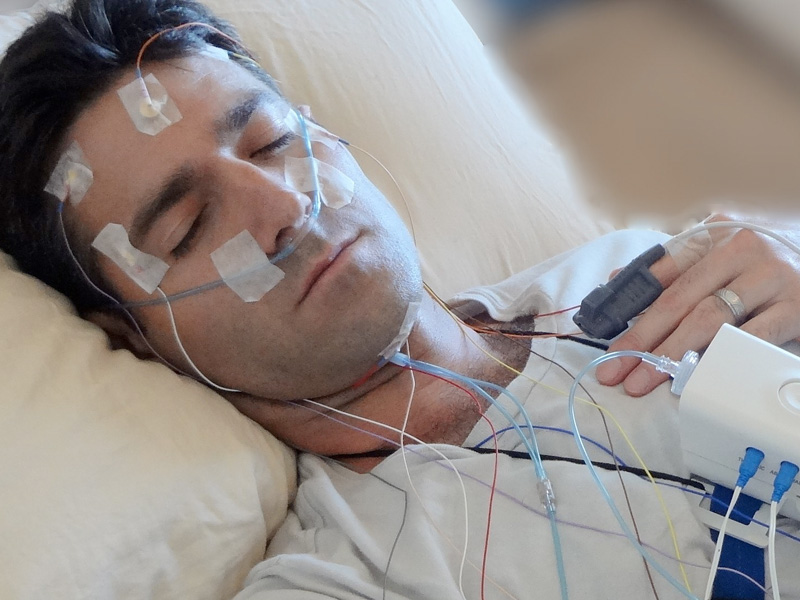
A sleep apnea test Brisbane clinics offer is usually either an at-home study or an in-lab sleep study, depending on their symptoms and medical history. Many people start with a home sleep test, which typically measures breathing, oxygen levels, heart rate, and airflow while they sleep in their own bed.
In-lab studies are more detailed and may be recommended for complex cases. They can record brain activity, eye movements, and muscle tone, alongside breathing and oxygen measures.
Should they see a GP first or go straight to a clinic?
Many Australians begin with their GP, who can assess symptoms, check relevant health history, and organise a referral pathway. Some private services also allow direct booking, but a GP can help coordinate follow-up care if treatment is needed.
If they are unsure, a GP visit can clarify whether a sleep apnea test Brisbane clinics offer is the right type of assessment, or whether another sleep issue may be contributing.
What questions should they ask before booking a test?
They can ask what type of study is recommended and why, what sensors are used, and how results are explained. They can also ask about typical turnaround time for results and whether follow-up support is included.
If they have conditions like COPD, heart failure, or complex insomnia, they should ask whether the clinic routinely manages those cases, as it may influence whether an in-lab study is more suitable than a home-based sleep apnea test Brisbane clinics offer.
What results might come back, and what do they mean?
Results usually include an index showing how often breathing events occur per hour of sleep. Clinicians may also review oxygen dips, snoring intensity, and heart rate changes.
From there, they may be told the sleep apnoea is mild, moderate, or severe, or that it is not present. Even when the index is not high, significant oxygen drops or severe symptoms can still warrant attention.
What treatment paths are common after diagnosis?
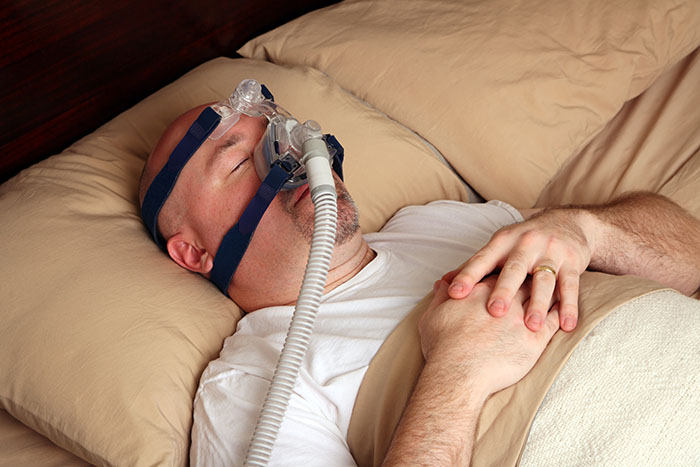
Treatment depends on severity and personal factors. Common options in Australia include CPAP therapy, mandibular advancement splints fitted by qualified dental providers, and lifestyle measures such as weight management and limiting alcohol close to bedtime.
They may also be advised to address nasal congestion, sleep position, or contributing medications. If they have anatomical issues, an ENT assessment may be suggested.
When should they treat this as urgent?
They should seek prompt medical advice if there is extreme daytime sleepiness that affects driving safety, if there are signs of dangerous drowsiness at work, or if a partner reports prolonged breathing pauses. Chest pain, severe shortness of breath, or fainting should be treated as urgent medical issues.
For many people, the safer next step is simply to book a sleep apnea test Brisbane clinics offer rather than wait for symptoms to worsen.
How can they prepare for the appointment and the test night?
They can bring a symptom list, including bedtime routines, alcohol intake, medications, and any partner observations. If possible, they can note how often they wake, whether they wake gasping, and how they feel in the morning.
On the night of a home study, they should follow the clinic’s instructions closely. Good sensor placement matters for clean results and reduces the chance of needing to repeat the sleep apnea test Brisbane clinics offer.
What are the most common misconceptions that delay testing?
A common misconception is that snoring is only annoying, not medical. Another is that only older men get sleep apnoea, when many women and younger adults are also affected.
Some also assume they would always wake up during breathing pauses. Often they do not, which is why objective testing like a sleep apnea test Brisbane clinics offer is so valuable.
How do they decide whether to book now?
If they have loud snoring, witnessed breathing pauses, morning headaches, unrefreshing sleep, or daytime sleepiness, it is reasonable to discuss testing with a GP or sleep provider. If multiple signs cluster together, delaying can prolong symptoms and risk.
For many households, the simplest next step is to arrange a sleep apnea test Brisbane clinics offer, then make decisions based on clear results rather than guesswork.
Related : What Symptoms Lead Doctors to Recommend a Sleep Apnea Test Canberra Clinics Run?