Sleep issues can feel vague until someone measures what actually happens overnight. Sleep testing Adelaide clinics now offer clear, step by step pathways that help people understand snoring, tiredness, and suspected sleep apnoea with less guesswork.
Most clinics aim to make testing practical for busy households, with home options, fast reporting, and links to treatment providers across South Australia.
What is sleep testing, and why do Adelaide clinics recommend it?
Adelaide sleep testing records breathing, oxygen levels, heart rate, and sleep patterns to check for disorders like obstructive sleep apnoea. Adelaide clinics recommend it when symptoms suggest health risks that cannot be confirmed by a questionnaire alone.
Common triggers include loud snoring, choking or gasping, morning headaches, and daytime sleepiness. Testing helps clinicians match symptoms to objective data before recommending therapy.
Who typically books into sleep testing Adelaide clinics?
Most people who attend are adults with snoring, fatigue, or suspected sleep apnoea, often prompted by a partner’s concerns. Many also arrive after a GP flags elevated blood pressure, weight gain, or poor sleep quality.
Some clinics also see shift workers, professional drivers, and people preparing for surgery. Their goal is usually the same: confirm what is happening at night and reduce long term health risk.
How do referrals and bookings usually work in South Australia?
In many cases, a GP referral starts the process, especially where Medicare items or specialist review may apply. Some private services accept self referrals, but they may still request a health summary to guide the test type.
Booking often involves a short intake form and a symptom screen. Sleep testing Adelaide clinics typically confirm whether the person is suitable for a home study or needs an in clinic study.
What kinds of sleep tests are available in Adelaide today?
Most clinics offer home sleep apnoea testing for straightforward cases and in lab polysomnography for complex cases. Home studies usually focus on breathing and oxygen, while in lab testing measures more signals, including brain activity.
Choice depends on symptoms, medical history, and safety. Sleep testing Adelaide clinics generally explain the pros and cons clearly before arranging equipment or a lab appointment.
What happens during a home sleep test, step by step?
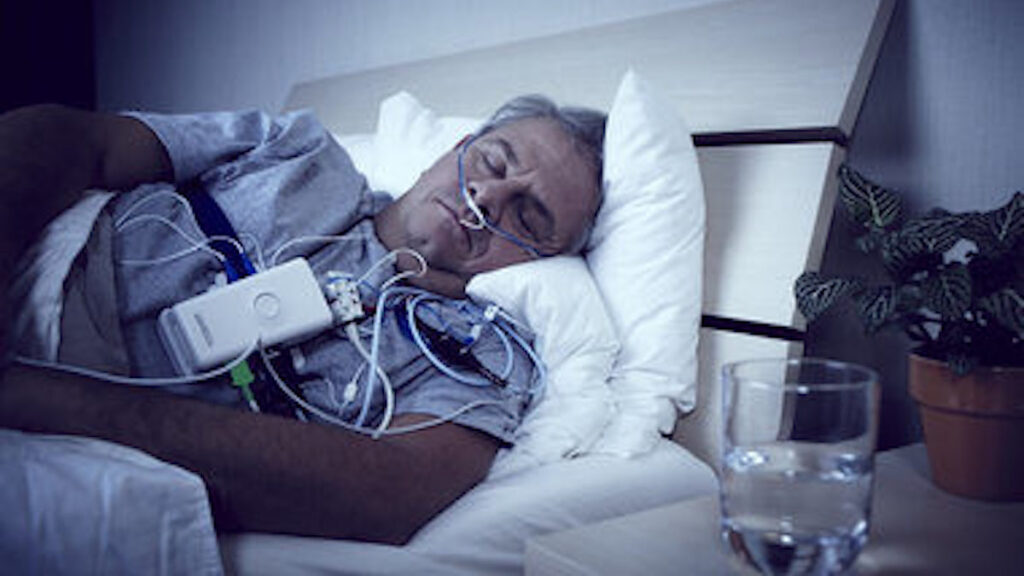
Home testing usually starts with device fitting instructions, either in person or via video. The person sleeps in their own bed while sensors record breathing effort, airflow, oxygen saturation, pulse, and body position.
The next day, equipment is returned or collected. Many sleep testing Adelaide clinics then download data and prepare a report for the referring doctor, often within a few business days.
What happens during an overnight sleep lab study in Adelaide?
A lab study is more comprehensive and is supervised overnight. Sensors are placed on the scalp, chest, and limbs to track sleep stages, breathing events, and movement, alongside oxygen levels and heart rhythm.
The setting is designed for sleep, but it is still a clinical environment. Sleep testing Adelaide clinics that run labs usually outline arrival times, what to bring, and expected wake time.
How should they prepare for a sleep test to get accurate results?
Preparation is usually simple: follow usual routines, avoid heavy alcohol, and keep caffeine reasonable late in the day. They should bring regular medications unless told otherwise, and they should mention any sedatives or sleep aids.
For home testing, clinics often advise wearing a loose top and charging devices if an app is involved. Sleep testing Adelaide clinics may also ask them to complete a sleep diary.
What does the equipment feel like, and will it affect sleep?
Most people find sensors noticeable at first, but manageable after settling. Home devices are typically lighter than lab setups, though nasal cannulas and finger probes can feel unfamiliar.
A slightly disrupted night can still provide useful data. Clinicians interpret results with context, and sleep testing Adelaide clinics are used to first night effects and imperfect sleep.
How do clinics handle privacy, consent, and data security in Australia?
Reputable providers follow Australian privacy requirements and obtain consent for data collection and sharing with nominated clinicians. Reports are typically stored in secure systems, and access is limited to treating teams.
People can ask who receives the report and how long it is kept. Sleep testing Adelaide clinics should be able to explain their data handling policies in plain language.
How long do results take, and what does the report include?
Turnaround varies, but many services provide results within days for home studies and a bit longer for lab studies. The report often includes an apnoea hypopnoea index, oxygen desaturation measures, snoring indicators, and sleep position effects.
It may also flag other patterns, such as periodic limb movements. Sleep testing Adelaide clinics usually send the report to the GP and discuss next steps via appointment or follow up call.
What happens if they are diagnosed with sleep apnoea?
Diagnosis typically leads to a discussion about severity and treatment options. Mild cases may focus on lifestyle changes and positional therapy, while moderate to severe cases often involve CPAP or alternative devices.
Clinics may refer to a sleep physician, respiratory provider, or dentist trained in oral appliances. Sleep testing Adelaide clinics often coordinate these pathways to reduce delays.
Will they be offered CPAP, and how do trials work in Adelaide?
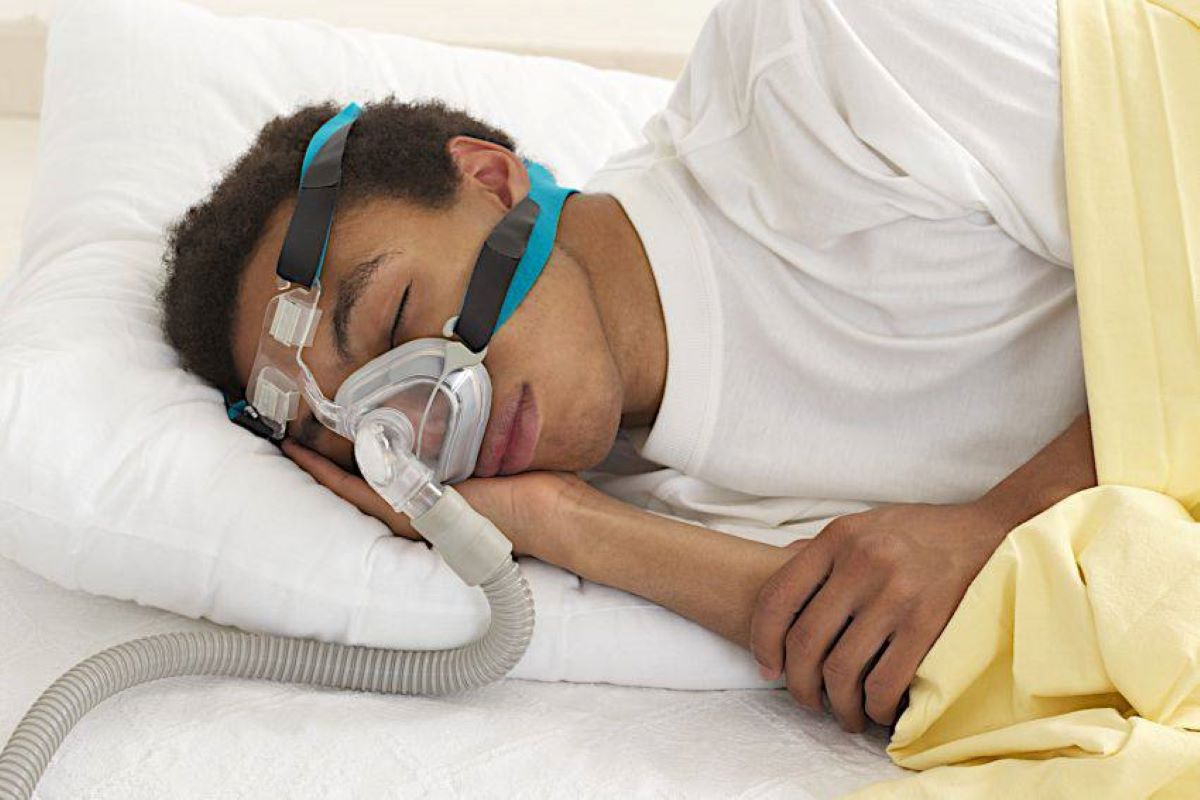
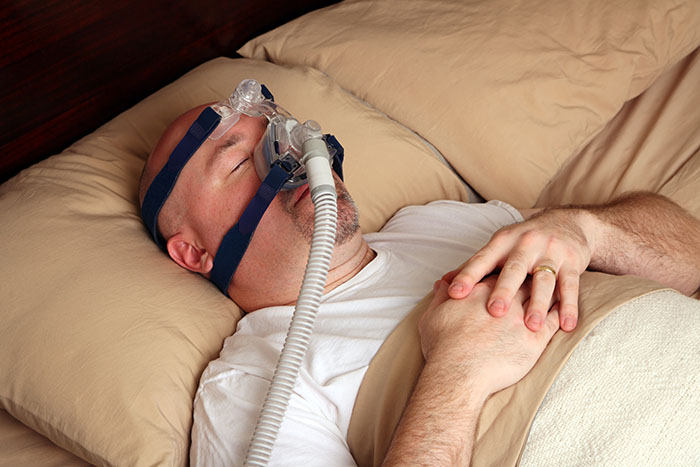
Many people with moderate to severe obstructive sleep apnoea are offered CPAP therapy. Trials usually involve mask fitting, device setup, and education on cleaning and comfort settings, then a follow up to review data.
Support matters early, because leaks and pressure discomfort can derail progress. Sleep testing Adelaide clinics commonly work with local CPAP providers across metropolitan Adelaide and nearby regions.
Are oral appliances or other alternatives commonly discussed?
For some people, mandibular advancement splints can reduce apnoea events, particularly in mild to moderate cases. Weight management, reduced alcohol intake, and side sleeping may also be part of the plan.
Surgery is less common as a first line option, but it may be discussed for anatomical issues. Many sleep testing Adelaide clinics explain alternatives based on test results and personal factors.
How much does sleep testing cost in Adelaide, and what rebates might apply?
Costs vary depending on test type, whether a specialist is involved, and whether the clinic is public or private. Some pathways attract Medicare rebates with appropriate referrals and item numbers, while fully private testing may be out of pocket.
They should ask for a written quote, inclusions, and follow up costs. Sleep testing Adelaide clinics usually clarify whether the fee covers reporting, consultation, and equipment hire.
How do they choose between public hospital services and private clinics?
Public services can be suitable where eligibility and wait times align, while private clinics often offer faster access and more scheduling flexibility. The best choice depends on urgency, budget, and whether ongoing therapy support is needed.
They should compare turnaround times, follow up structure, and provider credentials. Sleep testing Adelaide clinics can differ widely in how much coaching and troubleshooting they offer.
See Also : What Happens During a Typical Sleep Testing Appointment?
What questions should they ask before booking a clinic?
They should ask which test is recommended and why, what signals are recorded, and who interprets the data. It helps to confirm expected timeframes, fees, and whether follow ups are included.
They can also ask about escalation if the first test is inconclusive. Sleep testing Adelaide clinics that welcome questions tend to set clearer expectations and reduce stress.
What red flags suggest a clinic may not be the right fit?
High pressure sales tactics, vague pricing, or promises of guaranteed results are common warning signs. Another red flag is unclear clinical oversight, such as not stating who reads the study or what qualifications they hold.
They should also be cautious if there is no pathway for follow up care. Sleep testing Adelaide clinics should prioritise clinical guidance over product pushing.
What should they expect from modern follow up and ongoing support?
Good follow up usually includes explaining results, mapping options, and checking progress after treatment begins. For CPAP users, support often covers mask comfort, pressure settings, and data review.
Some clinics provide telehealth check ins, which suits people living outside central Adelaide. Sleep testing Adelaide clinics increasingly blend in person and remote support to keep therapy on track.
How do sleep testing outcomes connect to everyday health in Australia?
Untreated sleep apnoea can affect blood pressure, cardiovascular risk, mood, concentration, and workplace safety. Australian clinicians often connect sleep results to broader care plans, especially where driving safety or chronic disease is involved.
Testing can also rule out sleep apnoea and redirect focus to insomnia, anxiety, or other medical causes. Sleep testing Adelaide clinics aim to turn night time data into practical daytime improvements.