A typical sleep testing appointment is a structured, step-by-step check of how they breathe, sleep, and recover overnight. In Australia, it is commonly used to investigate snoring, daytime sleepiness, suspected sleep apnoea, and other sleep-related concerns.
Most people feel a little unsure beforehand, but the process is usually straightforward. Once they know what happens at each stage, a typical sleep testing appointment often feels far less intimidating.
What is a typical sleep testing appointment checking for?
A typical sleep testing appointment looks for patterns that suggest sleep disorders, most commonly obstructive sleep apnoea. It tracks breathing, oxygen levels, heart rate, and sleep stages to see what is happening while they are asleep.
Clinicians may also look for signs of central sleep apnoea, restless legs syndrome, insomnia-related arousals, or unusual sleep behaviours. The goal is to match symptoms with measurable data, not guesswork.
Who usually needs a typical sleep testing appointment in Australia?
A typical sleep testing appointment is often recommended for people who snore loudly, wake unrefreshed, or feel excessively sleepy during the day. It is also common when a partner notices pauses in breathing or gasping overnight.
In Australian practice, referrals often come from a GP, dentist (for airway concerns), or specialist. People in safety-critical jobs, such as driving or mining, may also be assessed if fatigue is a risk.
What happens before they arrive for a typical sleep testing appointment?
Before a typical sleep testing appointment, the clinic usually confirms symptoms, medical history, and current medications. They may complete questionnaires like the Epworth Sleepiness Scale and provide instructions about caffeine, alcohol, and naps.
They are typically told what to bring and what to wear, plus when to arrive. If Medicare rebates or private health claims apply, the clinic often explains paperwork and any out-of-pocket costs upfront.
What types of sleep tests might be used during a typical sleep testing appointment?
A typical sleep testing appointment may involve either a home sleep test (HSAT) or an in-lab overnight study (polysomnography). The right option depends on symptoms, health history, and how complex the case looks.
Home testing is commonly used in Australia for straightforward suspected obstructive sleep apnoea. In-lab studies are more likely when there are other medical conditions, unusual symptoms, or a need for detailed sleep staging.
What happens in the clinic during an in-lab typical sleep testing appointment?
In an in-lab typical sleep testing appointment, they arrive in the evening and are shown to a private room that resembles a small hotel room. A sleep scientist explains the setup, answers questions, and checks they are comfortable with the plan.
They usually have time to change, use the bathroom, and settle in. Lights-out is based on their usual bedtime where possible, since the aim is to capture a typical night.
What sensors and equipment are used in a typical sleep testing appointment?
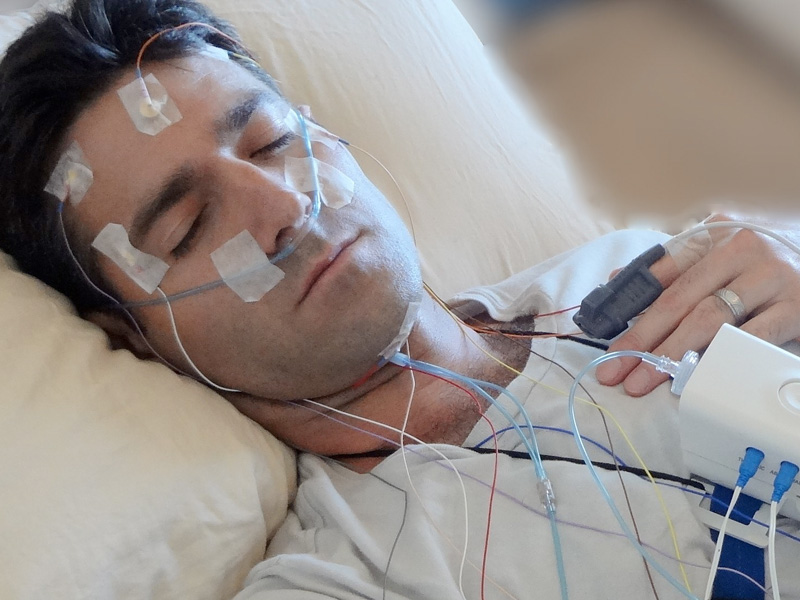
A typical sleep testing appointment uses sensors that monitor breathing and sleep quality, not needles or painful procedures. In-lab studies often include scalp and face sensors for brain activity and eye movement, plus belts on the chest and abdomen to track breathing effort.
They may also wear a finger probe for oxygen levels, a sensor near the nose to measure airflow, and stickers to monitor heart rhythm. Some setups include leg sensors for movement and a small microphone for snoring.
What does a home-based typical sleep testing appointment look like?
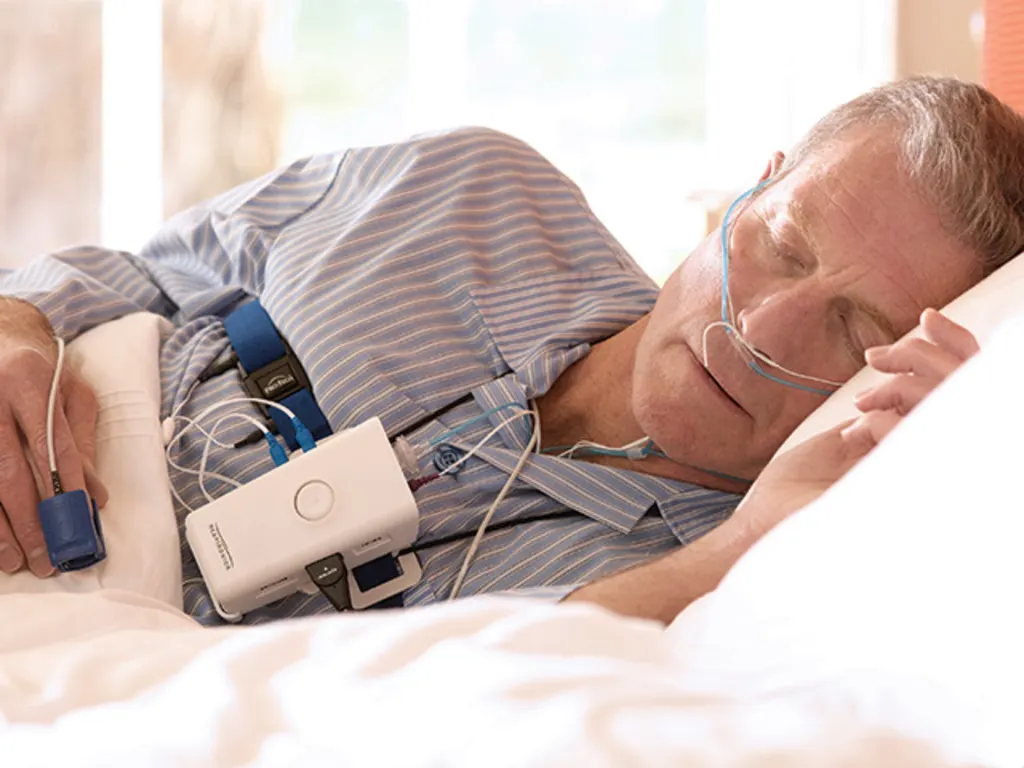
A home-based typical sleep testing appointment usually starts with a pickup or delivery of a small kit, or a short fitting session at the clinic. They are shown how to apply the sensors, start the recording, and troubleshoot common issues.
At home, they sleep in their own bed while the device records overnight. In the morning, they remove the sensors and return the kit, often the same day depending on the clinic’s process.
What should they do on the day of a typical sleep testing appointment?
On the day of a typical sleep testing appointment, they should follow the clinic’s instructions as closely as possible so the data reflects a normal night. Most clinics advise avoiding heavy alcohol and keeping caffeine to earlier in the day.
They should eat dinner as usual and bring comfortable sleepwear. If it is an in-lab study, they may bring toiletries, medications, and something familiar like their own pillow if the clinic allows it.
What happens overnight during a typical sleep testing appointment?
During a typical sleep testing appointment, they are encouraged to sleep as normally as they can while the equipment records continuously. In-lab, a sleep scientist monitors signals from another room and may quietly adjust a sensor if it loosens.
They can usually get up to use the bathroom, with assistance to manage cables if needed. If they struggle to fall asleep, that is common, and the study can still be useful with enough recorded time.
Can they take usual medications during a typical sleep testing appointment?
For a typical sleep testing appointment, they should take medications exactly as the clinic advises, rather than changing anything themselves. Many medications can affect sleep, breathing, or movement, so accuracy matters.
If they use sleep aids, antidepressants, pain relief, or nasal sprays, the clinic may ask them to continue or temporarily pause depending on the purpose of testing. They should always confirm this with their GP or the sleep clinic.
What happens if sleep apnoea is strongly suspected during a typical sleep testing appointment?
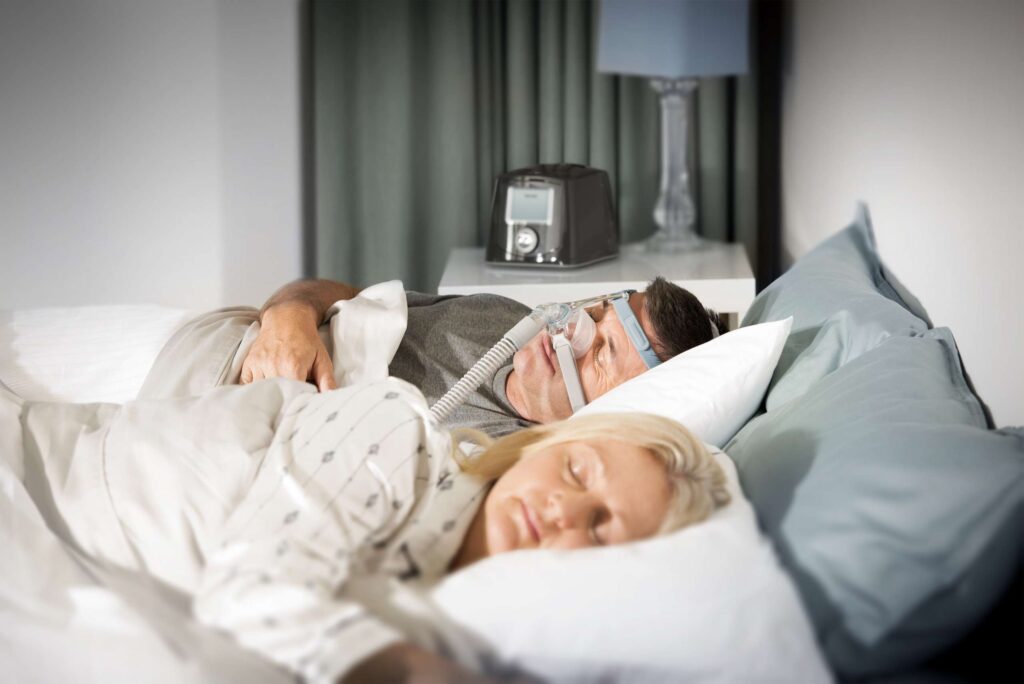
If the results suggest moderate to severe obstructive sleep apnoea, the clinic may recommend treatment promptly. In some Australian clinics, an in-lab study may include a second night for CPAP titration, where air pressure is adjusted to find an effective setting.
Other services use an at-home CPAP trial with an auto-adjusting machine. The key is that treatment is based on measured breathing events and oxygen drops, not just symptoms.
What happens after a typical sleep testing appointment ends?
After a typical sleep testing appointment, the equipment is removed and the recording is reviewed by a sleep scientist, then interpreted by a sleep physician or qualified clinician. They usually book a follow-up appointment to explain results and next steps.
Turnaround time varies across Australia, but many clinics aim to deliver results within days to a couple of weeks. They should ask how and when their report will be provided.
How are results explained after a typical sleep testing appointment?
Results from a typical sleep testing appointment are usually explained in plain language alongside key metrics. The most common number discussed is the Apnoea-Hypopnoea Index (AHI), which counts breathing disruptions per hour.
They may also review oxygen desaturation, snoring, heart rate changes, and sleep stages if measured. Good follow-ups link the data back to symptoms, then outline practical treatment options.
What treatments might follow a typical sleep testing appointment in Australia?
After a typical sleep testing appointment, treatment depends on what the test shows and how they are feeling. For obstructive sleep apnoea, CPAP therapy is commonly recommended, and many Australians access devices through clinics, suppliers, and sometimes private health rebates.
Other options can include weight management support, positional therapy, nasal treatment, oral appliances fitted by trained dental practitioners, and surgery in selected cases. If insomnia is a major factor, CBT-I may be recommended.
What common worries do people have about a typical sleep testing appointment?
A typical sleep testing appointment often raises concerns about discomfort, privacy, or not being able to sleep. Most people find the sensors annoying at first but manageable, and clinics are used to helping first-timers adjust.
In-lab studies in Australia are typically conducted in private rooms, and staff follow professional privacy standards. Even if their sleep is lighter than usual, clinicians can often still capture enough data to guide care.
How can they prepare to get the most accurate results from a typical sleep testing appointment?
To get the best data from a typical sleep testing appointment, they should aim for a normal routine and clear communication. They should report recent illness, nasal congestion, changes in medication, and alcohol intake, since these can affect breathing and sleep quality.
They can also keep a short sleep diary for a few days beforehand if the clinic suggests it. The goal is to capture what is typical for them, not a perfect night.
When should they seek urgent medical advice instead of waiting for a typical sleep testing appointment?
They should seek urgent medical advice if they have severe sleepiness that makes driving unsafe, or if they have concerning symptoms like chest pain, fainting, or severe shortness of breath. A typical sleep testing appointment is important, but it is not an emergency service.
In Australia, they can contact their GP for urgent review, call healthdirect for guidance, or attend an emergency department if symptoms are severe. Safety comes first, especially if fatigue affects work or driving.
Related : What to Expect From Sleep Testing Adelaide Clinics Today