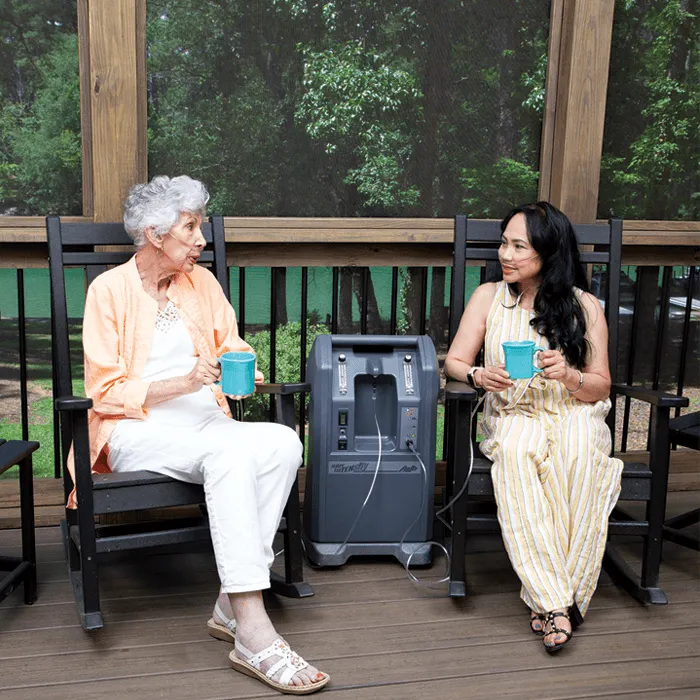
For anyone helping a parent, a partner, or even sorting it out for themselves, getting the right oxygen concentrator for home use matters. Not just for comfort, but for safety, routine, and ongoing costs. This is one of those purchases where it pays to slow down for a minute.
Below are four things they should think through before choosing an oxygen concentrator for home use.
What flow rate and oxygen output do they actually need?
This is the first checkpoint. Because if they buy an oxygen concentrator for home use that cannot meet the prescribed flow rate, it is basically the wrong machine, even if everything else looks perfect.
Most home units are continuous flow, often up to 5 LPM, sometimes 10 LPM. But the key detail is the prescription and the clinician’s guidance, including whether they need:
- continuous flow or pulse dose
- oxygen flow rate (LPM) at rest and with activity
- target oxygen saturation range
- expected hours of use per day
Also, oxygen purity is part of the story. Concentrators commonly aim for around 90% or higher, but performance can shift with filters, altitude, maintenance, and how hard the unit is being pushed. Choosing an oxygen concentrator for home use means matching real medical needs, not guessing based on marketing.
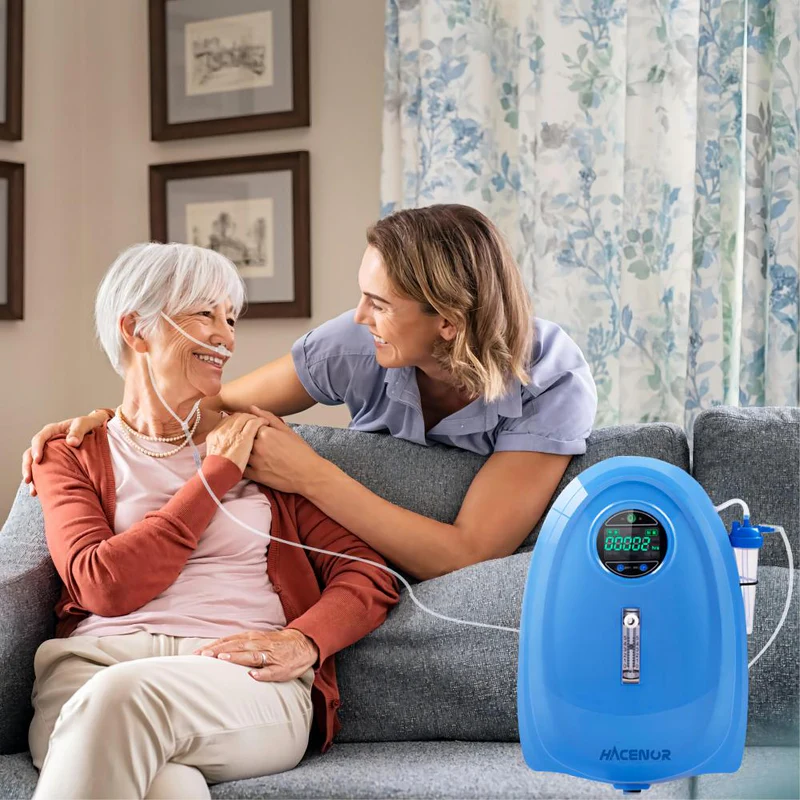
How will they use it day to day at home?
The “home” part is where people get caught out. An oxygen concentrator for home use has to fit into a normal routine. Where will it sit? How will they sleep with it? Will they need to move it from room to room? Is there carpet? Are there pets? Do they have stairs? It is also worth reviewing general home oxygen safety guidelines before deciding on the best location and daily setup.
A few practical questions help:
- Do they need wheels that actually roll well on their flooring?
- Is the power point location sensible, or will cords become a trip hazard?
- Will they need a longer oxygen tubing run, and can the device handle that setup?
- Will noise be a problem in a bedroom or living area?
Some people think they want the smallest option, but then realise they need continuous flow at a higher rate and the smaller unit is not suitable. Others buy a larger oxygen concentrator for home use and then struggle to move it around. It is annoying, and it is avoidable.
What maintenance, servicing, and running costs come with it?
An oxygen concentrator for home use is not a one-time purchase with no follow-up. They will be living with filters, cleaning schedules, and eventually servicing.
They should check, before buying, what the routine looks like. For example:
- Which filters are user-cleanable, and how often?
- Are there internal filters that need replacing by a technician?
- How easy is it to source replacement parts locally?
- What is the expected service interval?
Power use matters too. A concentrator runs on electricity, and if it is operating for many hours each day, the bill changes. Not always dramatically, but enough that it should be considered. Checking average household electricity costs can also help estimate the ongoing running expense. When someone chooses an oxygen concentrator for home use, it is smart to look beyond the sticker price and ask what the first year realistically costs.
What safety features and support do they get after purchase?
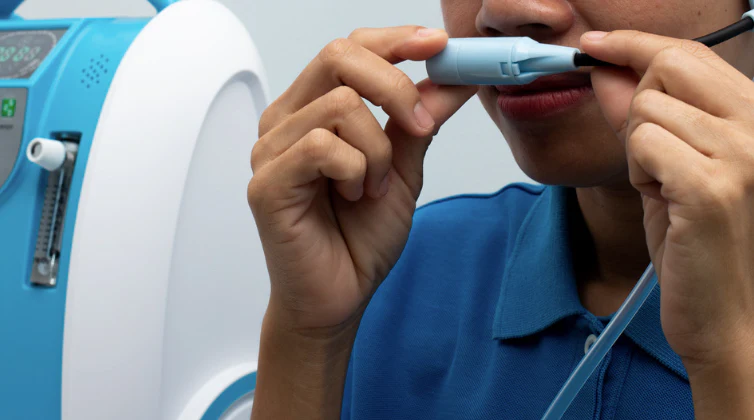
People focus on flow rate and forget safety and backup planning. But any oxygen concentrator for home use should have clear alarms and protections, especially if they are using it unsupervised.
Useful features to look for include:
- power failure alarm
- low oxygen concentration alarm
- high temperature alarm
- low or no flow alarm
- easy-to-read indicators, not tiny confusing lights
Then there is support. If the unit faults, who helps? Is there a local service centre? What does the CPAP machine warranty actually cover? Can they get a loan unit if repairs take time? For many households, support is the difference between feeling secure and feeling stuck.
Also, they should think about power outages. A concentrator needs mains power, so they may need a plan such as a backup oxygen cylinder, depending on clinical advice. Buying an oxygen concentrator for home use without a backup conversation is a common mistake.
Choosing the right oxygen concentrator for home use is partly about specs, sure. But it is also about real life. Noise at 2 am. Rolling it down a hallway. Cleaning filters without drama. Knowing there is support if something goes wrong.
If they take these four points seriously, they are far more likely to end up with an oxygen concentrator for home use that actually fits their needs, instead of one that just looked good online.