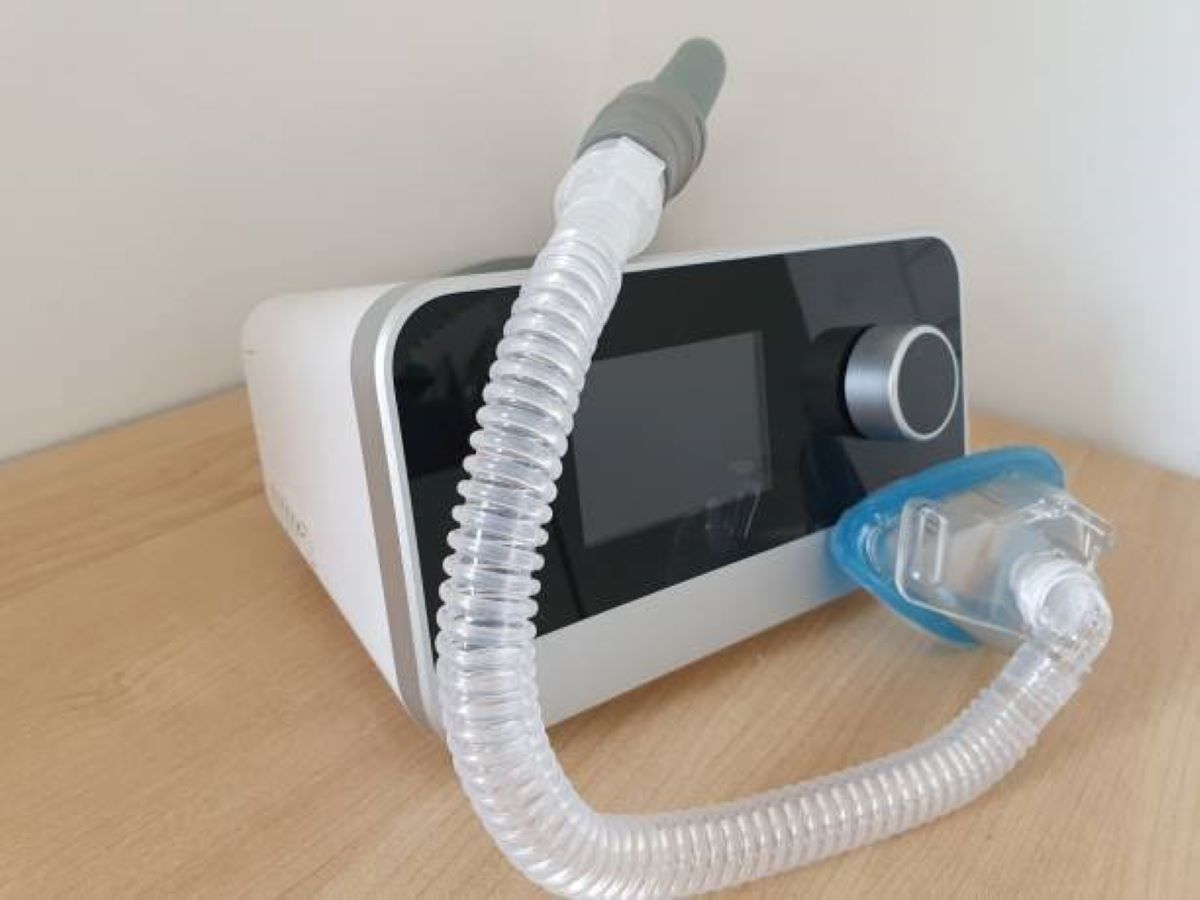
Putting off an oxygen tank means delaying or avoiding prescribed oxygen therapy, even when a clinician has said it is needed. In Australia, this can quickly affect breathing, energy, safety, and longer-term health, especially for people with COPD, pulmonary fibrosis, severe asthma, heart failure, or sleep-related breathing disorders.
In practice, the risk depends on why oxygen was prescribed, how low their oxygen levels drop without it, and how long they go without support. What happens can be subtle at first, then become serious without much warning.
What does it mean to “put off” an oxygen tank?
It usually means they skip using oxygen during activities, at night, or altogether, despite being told to use it. It can also mean they delay getting the equipment, refills, servicing, or a portable setup for leaving home.
Some people “ration” oxygen to make cylinders last longer, or avoid it in public because they feel self-conscious. Others stop because of dry nose, awkward tubing, cost worries, or confusion about when to use it.
Why might someone delay using prescribed oxygen?
Most delays are practical or emotional rather than medical. They may fear dependence, think oxygen is only for “end-stage” disease, or hope symptoms will improve on their own.
In Australia, delays also happen due to wait times, rural access, travel distances, or uncertainty around rental versus purchase. If they put off an oxygen tank because it feels optional, it often means they have not been shown what their oxygen saturation does during sleep or exertion.
What happens in the short term when oxygen is skipped?
In the short term, the body may not get enough oxygen to meet demand, particularly during walking, showering, housework, or climbing stairs. They may notice breathlessness, fatigue, headaches, light-headedness, poor concentration, or a racing heart.
Some people feel “fine” while sitting, then crash with activity. If they put off an oxygen tank at night, they may wake unrefreshed, with morning headaches or increased irritability.
How does low oxygen affect the brain and thinking?
The brain is highly sensitive to low oxygen. Even mild, repeated drops can affect attention, reaction time, memory, and mood.
They might become foggy, more anxious, or unusually tired, and may struggle with tasks like cooking, driving, or managing medications. If they put off an oxygen tank and their saturations fall significantly, confusion and drowsiness can become warning signs that need urgent assessment.
See Also : Drowsiness: MedlinePlus Medical Encyclopedia
Can delaying oxygen make breathlessness worse over time?
Yes, because untreated low oxygen can drive the body into a constant stress response. The heart and lungs work harder to compensate, and activity becomes more exhausting.
They often reduce movement to avoid symptoms, which leads to deconditioning. That loss of fitness can make everyday tasks feel harder, even if lung function has not changed dramatically, and it can create a cycle of fear and inactivity.
What are the risks for the heart and circulation?
Chronic low oxygen can increase strain on the heart. Over time, it may contribute to high blood pressure in the lungs (pulmonary hypertension) and right-sided heart strain.
They may notice swelling in ankles, worsening shortness of breath, or reduced exercise tolerance. If they put off an oxygen tank when they have documented hypoxaemia, the cardiovascular workload can rise, increasing the chance of chest discomfort, palpitations, or hospital presentations.
Does skipping oxygen increase the risk of hospitalisation?
It can, particularly for people with COPD or advanced lung disease who desaturate with exertion or during infections. Lower oxygen levels can reduce resilience during a flare-up, making it harder to recover at home.
In Australia, ambulance call-outs often rise during heatwaves, bushfire smoke events, and respiratory virus seasons. If they put off an oxygen tank during those periods, a mild illness can become a severe episode faster.
What happens if someone delays oxygen during sleep?
Night-time oxygen needs can be different from daytime needs. Some people maintain oxygen levels while awake but drop during sleep due to shallow breathing, sleep apnoea, or reduced respiratory drive.
If they put off an oxygen tank at night, they may experience poor sleep quality, morning headaches, and daytime sleepiness. Repeated night-time desaturation can also place extra strain on the heart and may worsen mood and cognition over time.
Could delaying oxygen be dangerous during exercise or daily activities?
Yes, especially when their oxygen levels drop with movement. Tasks like hanging washing, gardening, shopping centres, or walking to the letterbox can trigger rapid desaturation in some people.
If they put off an oxygen tank outdoors, they are more likely to need frequent stops, rely heavily on others, or avoid leaving home altogether. Falls can also become more likely if dizziness and fatigue are ignored.
Does “a little low” oxygen really matter?
Often it does, depending on the pattern and the person’s baseline. Occasional brief dips may be less concerning than frequent or sustained low levels, but repeated hypoxaemia can still add up.
They should not guess based on feelings alone because symptoms do not always match oxygen numbers. If they put off an oxygen tank because they feel “not too bad”, a supervised walk test or overnight oximetry can reveal hidden risk.

Can delaying oxygen therapy shorten life expectancy?
For some conditions, long-term oxygen therapy has evidence for improved survival when used as prescribed, especially in severe chronic hypoxaemia. The benefit is not universal for every person, but it is significant for the right group.
If they put off an oxygen tank despite qualifying for long-term therapy, they may lose the protective effects that oxygen provides to the heart and vital organs. A respiratory specialist can clarify whether theirs is a survival-benefit prescription or symptom-relief prescription.
What safety issues come with avoiding oxygen and then using it inconsistently?
Inconsistent use can lead to “catch-up” behaviour, like turning the flow up too high without guidance. That can cause nosebleeds, dryness, discomfort, and poor adherence, and it may not address the real issue if they need oxygen during specific times like exertion or sleep.
If they put off an oxygen tank and then use it only during severe breathlessness, they may be responding too late. It is safer to follow the prescribed plan and confirm settings with their clinician.
Is it ever reasonable to stop or delay oxygen?
It can be reasonable only if a clinician reassesses and confirms oxygen is no longer required. Oxygen needs can change after pulmonary rehab, smoking cessation, treatment of an exacerbation, or improvement after surgery or medication changes.
They should not discontinue on their own. If they put off an oxygen tank because they suspect it was a temporary prescription, the right step is a repeat assessment, not a silent trial without monitoring.
What should they do if they cannot access or afford oxygen in Australia?
They should tell their GP, respiratory specialist, or respiratory nurse as soon as possible. Options may include referrals to local hospital respiratory services, state-based support pathways, palliative care services for advanced disease, or alternative equipment arrangements for rural areas.
If they put off an oxygen tank due to cost, a clinician can document medical necessity and guide them towards the most appropriate supplier and setup. They can also ask about portable concentrators versus cylinders based on lifestyle.
How can they tell whether they are becoming unsafe without oxygen?
Warning signs include worsening breathlessness at rest, blue lips or fingertips, chest pain, fainting, severe confusion, extreme drowsiness, or an inability to speak in full sentences. A pulse oximeter can help, but symptoms matter too.
If they put off an oxygen tank and any severe symptoms appear, they should seek urgent medical help in Australia by calling Triple Zero (000). They should not attempt to drive themselves in a crisis.
What is the best way to talk to a clinician about reluctance or discomfort?
They should be direct about what is stopping them: embarrassment, nasal dryness, portability, noise, tubing hazards, or fear of dependency. Most barriers can be solved with humidification options, different cannulas, tubing management, portable systems, and a clear schedule.
If they put off an oxygen tank because it feels like a “big step”, a respiratory educator can explain what oxygen does, what it does not do, and how to stay independent while using it.

What’s the practical takeaway if someone is tempted to delay oxygen?
Putting off oxygen is not just a comfort choice; it can affect safety, heart strain, brain function, sleep, and independence. If they are prescribed oxygen, the safest move is to confirm exactly when to use it, at what flow, and how to monitor whether it is working.
If they put off an oxygen tank for any reason, they should arrange a review with their Australian GP or respiratory specialist and ask for an updated walk test or overnight oximetry to match the plan to real life.
More to Read : What an Everflo Concentrator Covers, and What It Does Not
FAQs (Frequently Asked Questions)
What does it mean to “put off” an oxygen tank?
Putting off an oxygen tank means delaying or avoiding the use of prescribed oxygen therapy, such as skipping oxygen during activities or at night, delaying equipment setup or refills, rationing oxygen to make supplies last longer, or stopping use due to discomfort, cost concerns, or confusion about when to use it.
Why might someone delay using their prescribed oxygen therapy?
Delays in using prescribed oxygen are often due to practical or emotional reasons rather than medical ones. These include fear of dependence, beliefs that oxygen is only for end-stage disease, hope symptoms will improve naturally, logistical challenges like wait times and rural access in Australia, and uncertainty about renting versus purchasing equipment.
What are the short-term effects of skipping prescribed oxygen?
In the short term, skipping oxygen can lead to insufficient oxygen supply during activities like walking or housework, causing breathlessness, fatigue, headaches, light-headedness, poor concentration, and a racing heart. Night-time omission may result in unrefreshing sleep, morning headaches, and increased irritability.
How does low oxygen from not using prescribed therapy affect brain function?
The brain is sensitive to low oxygen levels; even mild repeated drops can impair attention, reaction time, memory, and mood. This may cause fogginess, anxiety, tiredness, and difficulties with tasks such as cooking or driving. Significant desaturation can lead to confusion and drowsiness requiring urgent medical assessment.
Can delaying oxygen therapy worsen breathlessness over time?
Yes. Untreated low oxygen triggers a constant stress response causing the heart and lungs to work harder. This leads to exhaustion during activity and reduced movement to avoid symptoms. The resulting deconditioning makes everyday tasks harder and creates a cycle of fear and inactivity despite stable lung function.
Does putting off prescribed oxygen increase the risk of hospitalisation?
Yes. For people with COPD or advanced lung disease who experience desaturation during exertion or infections, skipping oxygen reduces resilience during flare-ups. This can accelerate illness severity and increase ambulance call-outs during heatwaves, bushfire smoke events, or respiratory virus seasons in Australia.