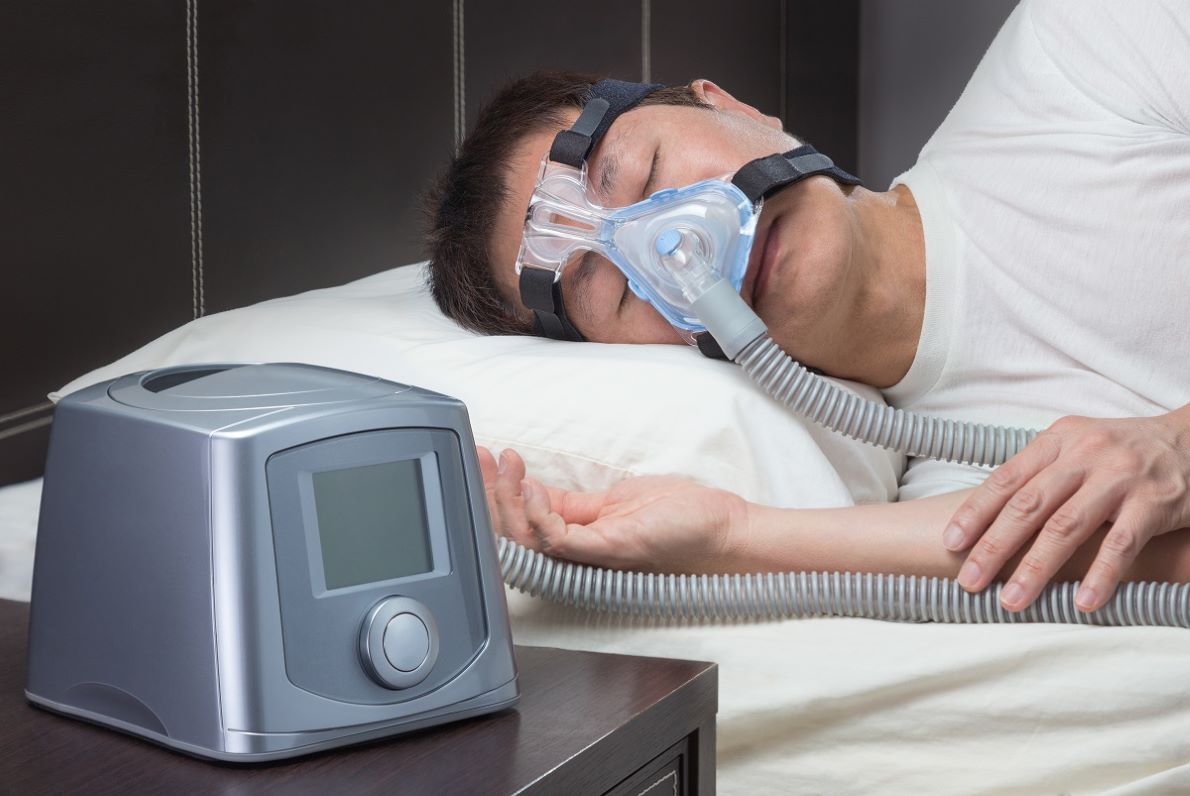
Doctors in Australia usually recommend testing when symptoms point to repeated breathing interruptions during sleep. In Canberra, that often means arranging a sleep apnea test Canberra clinics run through a GP referral or a direct booking pathway.
Sleep apnoea is common, underdiagnosed, and linked with safety risks like drowsy driving. The key is recognising the symptom patterns that make testing the sensible next step.
What is sleep apnoea, and why do doctors test for it?
Sleep apnoea is a condition where airflow reduces or stops repeatedly during sleep. Doctors test for it because untreated sleep apnoea is associated with high blood pressure, heart rhythm issues, daytime fatigue, and reduced concentration.
A formal test confirms whether symptoms are caused by obstructive sleep apnoea, central sleep apnoea, or another sleep disorder. That result guides treatment choices and follow-up.
Which nighttime breathing symptoms prompt an immediate recommendation?
Loud, habitual snoring plus witnessed pauses in breathing are the biggest red flags. If a partner reports choking, gasping, or silent breathing gaps, doctors often move quickly to organise a Canberra sleep apnea test clinics run.
Frequent waking, restless sleep, and waking with a racing heart can also strengthen suspicion. These patterns suggest repeated arousals triggered by low oxygen or increased breathing effort.
How does daytime sleepiness influence the decision to order a test?
Excessive daytime sleepiness is a major driver for testing because it affects safety and function. If they regularly doze off while reading, watching TV, or as a passenger in a car, doctors may recommend a sleep apnea test Canberra clinics run even if snoring is unclear.
In Australia, fatigue-related road risk is taken seriously. Persistent sleepiness, microsleeps, or near-miss driving events often push testing to the top of the list.
What morning symptoms make doctors suspect disrupted breathing overnight?
Waking with headaches, a dry mouth, or a sore throat commonly suggests mouth breathing and poor-quality sleep. Doctors also look for morning grogginess that does not improve with longer sleep time.
If they wake unrefreshed most days despite a reasonable sleep window, clinicians may suggest a sleep apnea test Canberra clinics run to check for repeated overnight breathing events.
Can mood changes and brain fog lead to a sleep test referral?
Yes, because sleep fragmentation can mimic or worsen mental health and cognitive symptoms. If they report irritability, low mood, anxiety, reduced motivation, or “brain fog,” doctors may consider sleep apnoea as part of the picture.
Trouble focusing at work, forgetfulness, or slower thinking can be related to poor oxygenation and repeated arousals. Testing can help rule in or out a sleep breathing disorder.
Which medical conditions increase the likelihood doctors will recommend testing?
Certain health conditions raise suspicion even when symptoms seem mild. High blood pressure that is hard to control, atrial fibrillation, type 2 diabetes, and reflux can all be linked with sleep apnoea.
If they have these conditions plus snoring or fatigue, a GP may recommend a sleep apnea test Canberra clinics run to check whether treating sleep apnoea could improve overall risk and management.
How do weight, neck size, and body shape affect a doctor’s threshold for testing?
Doctors consider anatomy because it affects airway collapse risk. Higher body weight, larger neck circumference, and central weight distribution can increase the likelihood of obstructive sleep apnoea.
That said, sleep apnoea also affects people who are not overweight. If they have classic symptoms, doctors still commonly recommend a sleep apnea test Canberra clinics run, regardless of body size.
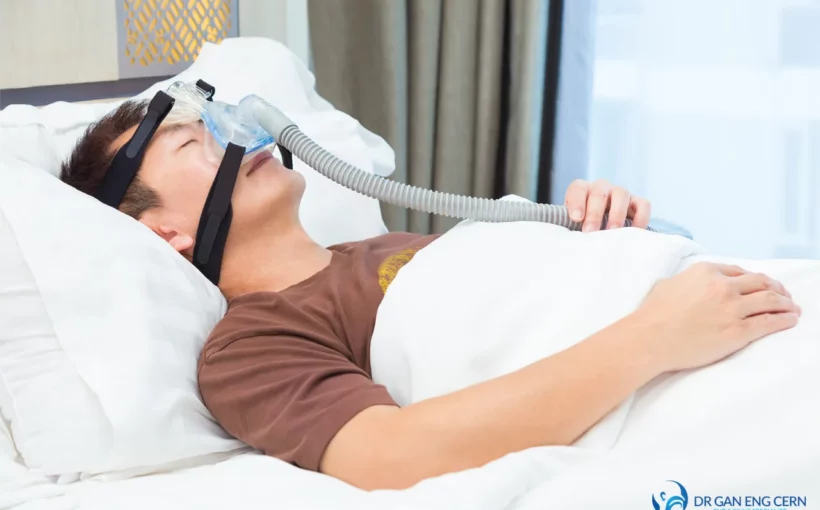
Do women and older adults present with different symptoms that still warrant a test?
Yes, symptoms can be less stereotypical, which is why doctors ask broader questions. Women may report insomnia, morning headaches, mood changes, or fatigue without “classic” loud snoring being the main complaint.
Older adults may show memory issues, frequent night waking, or increased daytime napping. If the pattern fits, doctors may still recommend a sleep apnea test Canberra clinics run to clarify the cause.
What role do partners’ observations play in the decision?
Partner reports are often the clearest clue because the sleeper may not notice breathing pauses. If theirs observes snoring punctuated by silence, then a snort or gasp, doctors tend to treat that as strong evidence.
Bed partners may also report restless movement, sweating, or frequent bathroom trips. Those details can make it easier for clinicians to justify a sleep apnea test Canberra clinics run promptly.
Can frequent urination at night indicate sleep apnoea?
It can, particularly when it occurs alongside snoring and sleepiness. Nocturia may happen because repeated breathing events trigger hormonal and pressure changes that increase urine production.
Doctors also rule out other causes like prostate issues, urinary tract symptoms, diabetes, and medications. If the overall picture fits, they may suggest a sleep apnea test Canberra clinics run.
When do doctors recommend testing because of work or driving safety?
If they operate heavy vehicles, drive long distances, or work in high-risk roles, doctors often have a lower threshold for testing. Daytime drowsiness in these settings can have serious consequences.
Employers or licensing requirements can also influence referral urgency. In many cases, clinicians will recommend a sleep apnea test Canberra clinics run to objectively assess risk and guide management.
See Also : Signs You May Need a Sleep Apnea Test Brisbane Clinics Offer
What screening tools do doctors use before ordering a test?
GPs often use short questionnaires and risk checks rather than guessing. Tools like STOP-BANG or the Epworth Sleepiness Scale help quantify risk based on snoring, tiredness, observed apnoeas, blood pressure, BMI, age, neck size, and gender.
These tools do not diagnose sleep apnoea. They help decide whether a sleep apnea test Canberra clinics run is the next appropriate step.
What types of sleep tests are commonly offered in Canberra?
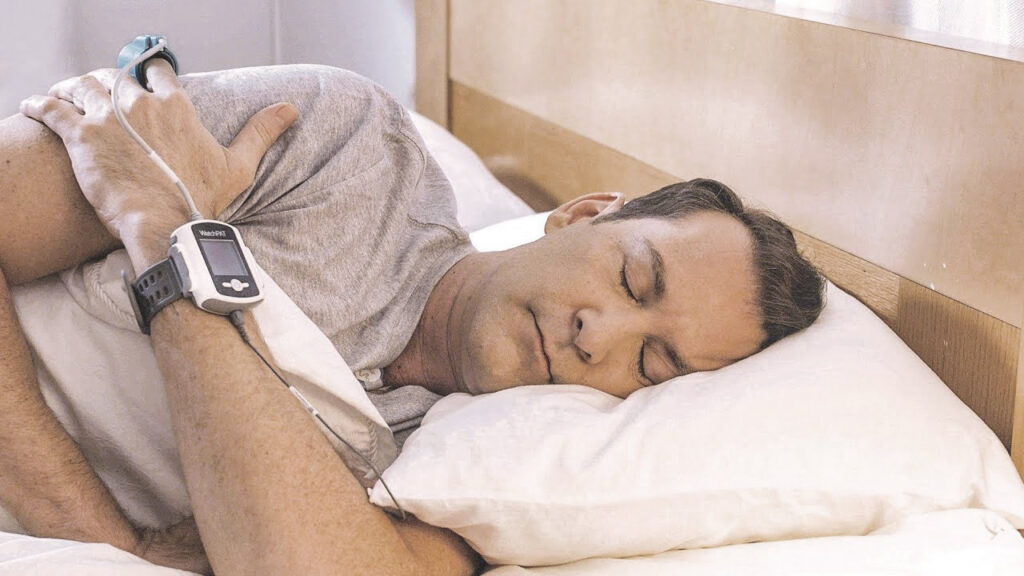
Canberra services typically offer home sleep apnoea testing for appropriate patients and in-lab studies for more complex cases. Home testing generally measures breathing, oxygen levels, airflow, and effort while they sleep in their own bed.
In-lab polysomnography measures additional signals like brain waves and muscle activity. Doctors may recommend the in-lab option if there are other suspected sleep disorders or significant medical complexity.
What symptoms suggest an in-lab study rather than a home test?
Complex or unclear symptoms can push clinicians toward a full in-lab study. If they have suspected central sleep apnoea, significant heart or lung disease, neuromuscular conditions, or possible parasomnias, in-lab monitoring may be preferred.
Home tests can miss some conditions outside straightforward obstructive sleep apnoea. Doctors choose the test type based on risk, safety, and diagnostic clarity.
What happens after a positive test result?
If sleep apnoea is confirmed, treatment is tailored to severity and patient factors. Options can include CPAP therapy, mandibular advancement splints fitted by a trained dental provider, weight management strategies, positional therapy, and addressing nasal obstruction.
Follow-up matters because mask fit, comfort, and pressure settings affect success. Clinicians typically monitor symptoms and objective data to ensure treatment is working.
What should they do before booking a sleep test in Canberra?
They should start with a GP appointment if symptoms are persistent, especially if there is daytime sleepiness or witnessed apnoeas. Bringing notes from a partner, a list of medications, and a brief sleep diary can help.
If symptoms match the common patterns, a GP or sleep physician can guide them to the most appropriate sleep apnea test Canberra clinics run and the right pathway for results and treatment.
More to Read : Clinical screening tools for obstructive sleep apnea in a population with atrial fibrillation: a diagnostic accuracy trial