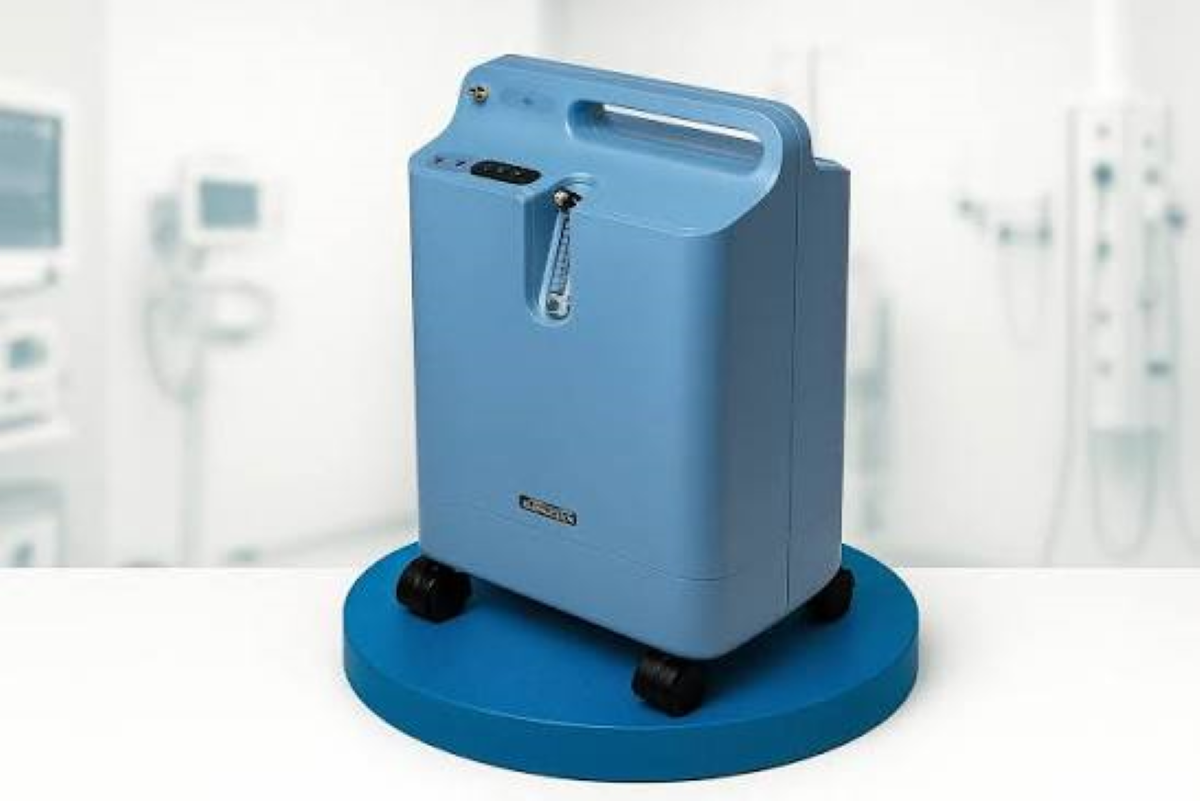
An Everflo oxygen concentrator is designed to provide a steady supply of supplemental oxygen for people who have been prescribed oxygen therapy. In Australia, it is most commonly used at home and, in some cases, in residential aged care settings where a clinician has determined it is suitable.
This guide explains what an Everflo oxygen concentrator typically covers, what it does not, and the practical questions they should ask their healthcare team before relying on one.
What does an Everflo oxygen concentrator actually do?
An Everflo concentrator takes in room air, removes most of the nitrogen, and delivers oxygen-enriched air to the user through oxygen tubing and a nasal cannula or mask. It is built for continuous, stationary use rather than for travel.
An Everflo oxygen concentrator is generally used to meet a prescribed flow rate (commonly in litres per minute) when a clinician has confirmed it matches the person’s therapy needs.
What medical needs does an Everflo oxygen concentrator cover?
It covers the need for long-term oxygen therapy where a person requires supplemental oxygen to maintain safe oxygen saturation levels. In Australia, this often relates to chronic lung conditions such as COPD, some interstitial lung diseases, and other diagnoses where hypoxaemia is present.
An Everflo oxygen concentrator supports therapy at the flow settings it is designed to provide, provided the prescription and monitoring are appropriate.
What situations at home does it cover well?
It covers routine oxygen use in a stable home environment, especially when they spend most of their time in one place and need consistent oxygen delivery. It is typically suited to use in living areas or bedrooms with good ventilation and reliable power.
An Everflo oxygen concentrator can cover day-to-day therapy needs when the household can manage tubing safely and keep the unit positioned correctly.
What does it cover in terms of oxygen delivery settings?
It covers continuous flow oxygen delivery within the device’s specified range, as set by a clinician or according to a prescription. They should treat the flow setting as a medical parameter, not a comfort dial.
An Everflo oxygen concentrator does not replace clinical assessment, so any change in symptoms should trigger a review rather than self-adjustment.
What accessories and consumables does it usually cover in practical use?
It commonly covers use with standard oxygen tubing, a nasal cannula, and in some cases an oxygen mask if clinically appropriate. Most people will also use a humidifier bottle if prescribed, especially if dryness becomes an issue.
An Everflo oxygen concentrator is only as effective as its setup, so they should confirm tubing length limits, connection compatibility, and replacement schedules with their supplier.
What does it cover for people living in regional or remote Australia?
It can cover home oxygen therapy in regional areas if they have dependable power and reliable servicing access. The bigger challenge is usually logistics: filter replacements, maintenance, and fast support if alarms occur.
An Everflo oxygen concentrator may still be workable outside metro areas, but they should confirm local service options and backup oxygen plans before committing.
What does it not cover for mobility and leaving the house?
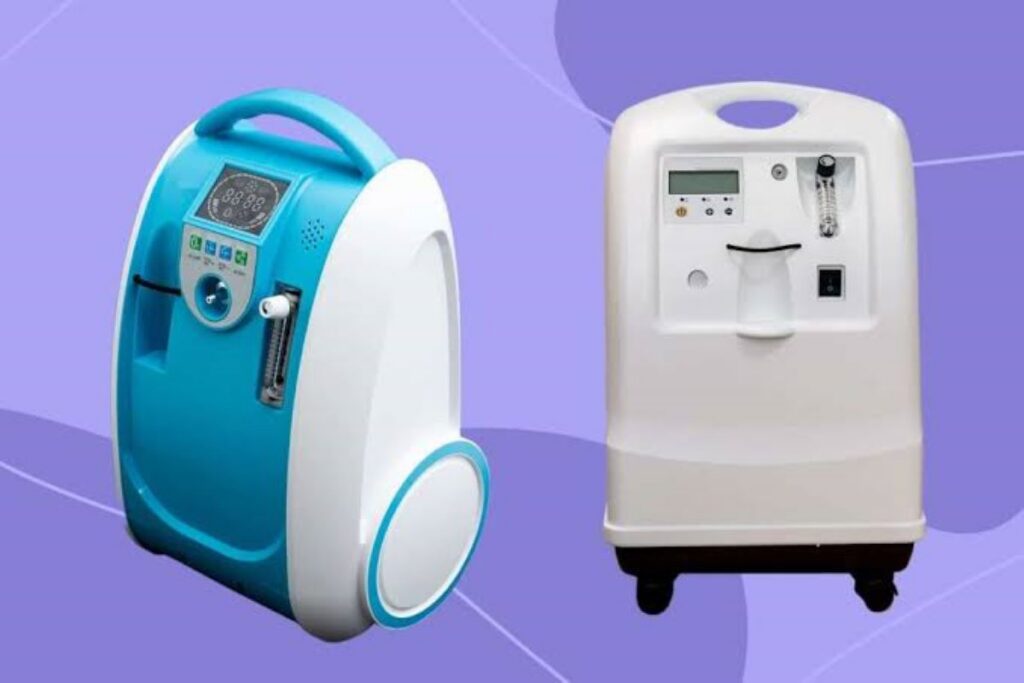
It does not cover portable oxygen needs in the way a portable oxygen concentrator or oxygen cylinders can. A stationary unit is intended to stay at home, and long tubing runs can create trip hazards and reduce practical usability.
An Everflo oxygen concentrator is not a substitute for a mobility plan, so they should ask about portable options for shopping, appointments, or visiting family.
What does it not cover during a power outage?
It does not cover oxygen delivery when the electricity is off. In parts of Australia where storms, bushfire events, or grid issues occur, this is a serious planning gap unless they have a backup oxygen cylinder, battery solution, or an alternative arrangement.
An Everflo oxygen concentrator requires a documented backup plan, particularly for people at higher flow rates or those who desaturate quickly.
What does it not cover for high-flow or complex oxygen needs?
It does not cover every oxygen requirement, especially if they need higher flow rates than the unit can deliver, or if they require specialised delivery modes. Some people need different equipment for exertion, sleep, or acute deterioration.
An Everflo oxygen concentrator should only be used within its specifications, and they should confirm suitability through clinical assessment and oximetry where recommended.
What does it not cover for sleep-related breathing disorders?
It does not treat obstructive sleep apnoea by itself. If they have sleep apnoea, the primary therapy is usually CPAP or bilevel ventilation, with oxygen added only if prescribed and carefully managed.
An Everflo oxygen concentrator can be part of a sleep setup in some cases, but it does not replace a sleep specialist’s treatment plan.
What does it not cover for emergency or acute respiratory events?
It does not replace emergency care, and it is not designed to manage sudden severe breathlessness, chest pain, or rapidly worsening symptoms. If they suspect an acute event, they should follow their action plan and seek urgent medical help.
An Everflo oxygen concentrator is a long-term therapy device, not an emergency intervention tool.
What does it not cover in terms of monitoring and clinical decisions?
It does not monitor oxygen saturation, carbon dioxide retention, or clinical stability. People may use a pulse oximeter at home, but the concentrator itself is not a monitoring device and cannot tell them whether therapy is adequate.
An Everflo oxygen concentrator should be paired with regular clinical review, especially after hospitalisations or changes in medication.
What does it not cover for safety risks in the home?
It does not eliminate oxygen-related fire risk or household hazards. Oxygen-enriched environments increase fire intensity, so smoking, open flames, and some heat sources can be dangerous around oxygen equipment.
An Everflo oxygen concentrator needs clear safety rules in the home, and they should follow Australian guidance provided by clinicians and suppliers.
What does it not cover for humidification and comfort issues?
It does not automatically manage dryness, nasal irritation, or discomfort. Some people need humidification, different cannula types, or adjustments to how tubing is routed to improve comfort.
An Everflo oxygen concentrator may require add-ons and troubleshooting, and they should report persistent side effects rather than simply tolerating them.
Other Resources : A Complete Guide to Different Types of Cannulation
What does it not cover for noise-free or space-free living?
It does not provide silent operation or a zero-footprint setup. While many units are relatively quiet, they still produce sound and heat and need clearance around vents.
An Everflo oxygen concentrator should be placed with airflow and household routines in mind, especially if they are light sleepers or share a room.
What does it not cover for maintenance if they ignore servicing?
It does not stay safe and effective without upkeep. Filters may need cleaning or replacement, and the unit may require scheduled servicing to ensure performance.
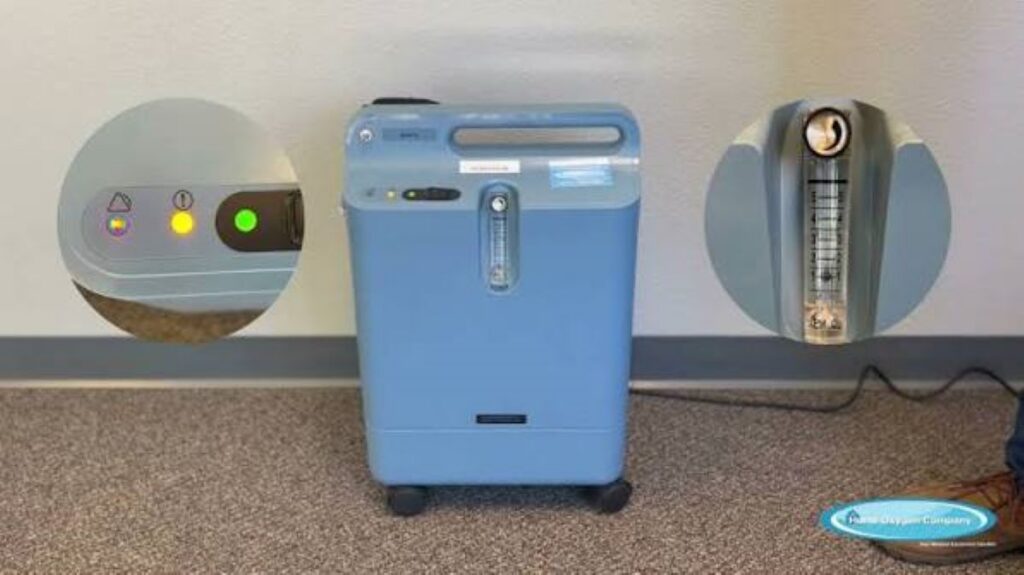
An Everflo oxygen concentrator can trigger alarms or deliver less effective therapy if maintenance is skipped, so they should keep a simple servicing checklist and know who to contact in Australia for support.
What does it not cover for travel, flights, and holidays?
It does not automatically cover airline-approved oxygen needs or holiday travel. Airlines typically require approved portable oxygen concentrators, documentation, and pre-flight arrangements, and road trips often need a portable solution too.
An Everflo oxygen concentrator is usually best treated as the home base device, with a separate travel plan if they want to stay active.
What should they ask their clinician before relying on one?
They should ask whether the device meets their prescribed flow rate at rest, during exertion, and during sleep if relevant. They should also ask whether they need humidification, how often they should be reviewed, and what oxygen saturation targets apply to them.
An Everflo oxygen concentrator is only appropriate when it matches their prescription and clinical goals.
What should they ask their supplier in Australia?
They should ask about warranty terms, service turnaround times, consumable costs, and what support is available after hours. They should also confirm what alarms mean, what to do if an alarm sounds, and what backup oxygen is recommended.
An Everflo oxygen concentrator ownership or rental experience depends heavily on local supplier support, particularly outside capital cities.
What is the simplest way to think about what it covers and what it does not?
It covers steady, prescribed oxygen therapy at home when power, placement, and maintenance are reliable. It does not cover portability, outages, emergencies, or clinical monitoring, and it does not replace treatment for other conditions like sleep apnoea.
For Australians considering home oxygen, an Everflo oxygen concentrator can be an effective core device, as long as they plan for everything it does not do.
Related : How to Compare Quotes for Oxygen Concentrator Fairly
FAQs (Frequently Asked Questions)
What is an Everflo oxygen concentrator and how does it work?
An Everflo oxygen concentrator is a stationary medical device designed to provide a continuous supply of supplemental oxygen by taking in room air, removing most nitrogen, and delivering oxygen-enriched air through tubing and a nasal cannula or mask. It is primarily used in home or residential aged care settings where prescribed by a clinician.
Which medical conditions are suitable for treatment with an Everflo oxygen concentrator?
The Everflo oxygen concentrator supports long-term oxygen therapy for people with chronic lung conditions such as COPD, interstitial lung diseases, and other diagnoses involving hypoxaemia. It delivers prescribed flow rates to maintain safe oxygen saturation levels as confirmed by clinical assessment.
Can the Everflo oxygen concentrator be used outside the home or during power outages?
No, the Everflo oxygen concentrator is intended for continuous stationary use at home with reliable power supply. It does not provide portable oxygen for mobility or function during power outages. Users should have backup plans such as portable oxygen cylinders or battery solutions for emergencies or when leaving the house.
What accessories are typically used with an Everflo oxygen concentrator?
Common accessories include standard oxygen tubing, nasal cannulas, and sometimes oxygen masks if clinically appropriate. A humidifier bottle may also be prescribed to alleviate dryness. Proper setup, including tubing length limits and replacement schedules, should be confirmed with suppliers to ensure effective therapy.
Is the Everflo oxygen concentrator suitable for high-flow or complex oxygen needs?
The Everflo is designed to deliver continuous flow within its specified range and is not suitable for higher flow rates or specialised delivery modes required by some patients. Clinical assessment and monitoring are essential to determine if this device meets individual therapy requirements.
What safety considerations should users be aware of when using an Everflo oxygen concentrator at home?
Users must observe strict safety rules since oxygen-enriched environments increase fire risks. Smoking, open flames, and certain heat sources should be avoided near the equipment. The device does not eliminate fire hazards; therefore, maintaining a safe environment around the concentrator is crucial.