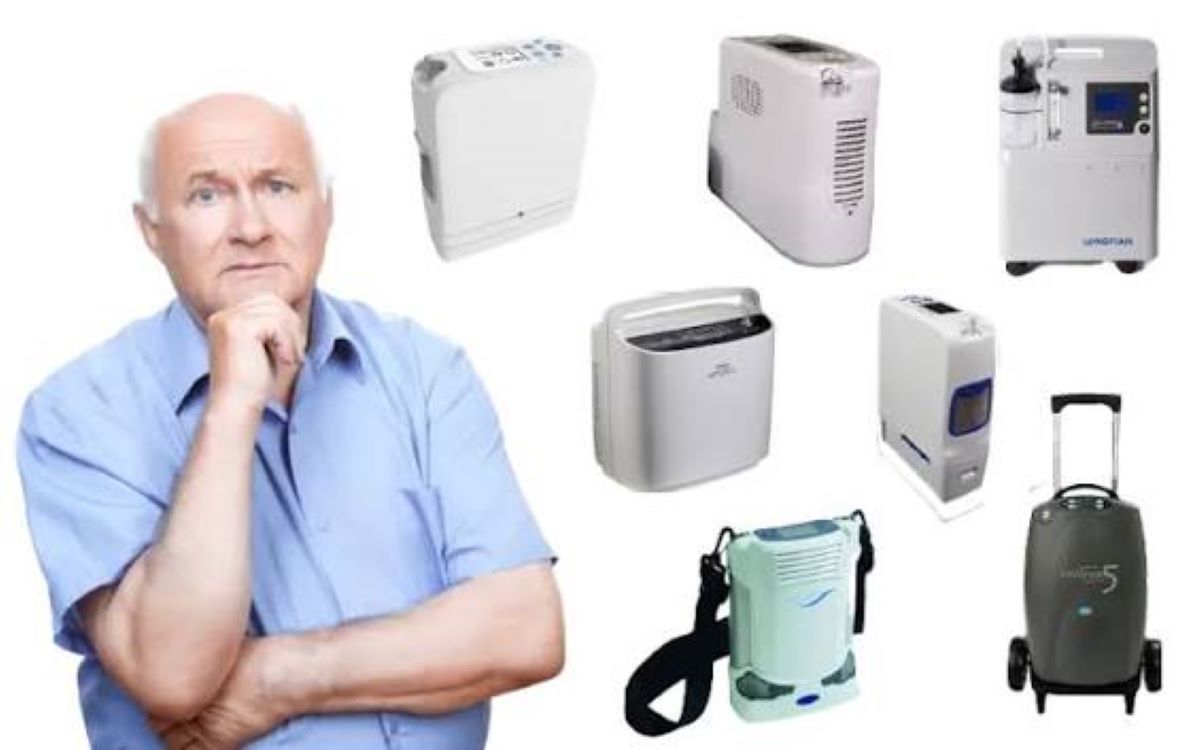
Comparing quotes for an oxygen concentrator is not just about picking the lowest number. It is about checking that each quote covers the same equipment, service, and ongoing costs, so the comparison is genuinely fair for Australians.
This guide shows how they can compare quotes for oxygen concentrator Australia fairly, without getting caught by missing inclusions, unclear specifications, or hidden fees.
What should they clarify about the patient’s needs before comparing quotes?
They should confirm the prescribed oxygen flow rate, daily hours of use, and whether continuous flow or pulse dose is required. These factors determine which concentrator types are suitable and which quotes are relevant.
They should also note lifestyle needs in Australia, like portability for appointments, power reliability in regional areas, and whether a backup oxygen plan is required.
What details must match across quotes to compare them fairly?
To compare quotes for oxygen concentrators fairly, they should make sure every quote is for the same category of device and the same intended use. A home stationary unit quote is not comparable to a portable concentrator quote, even if both “provide oxygen”.
They should align on flow range, delivery mode, and included accessories before looking at price.
Is the quote for a stationary or portable oxygen concentrator?
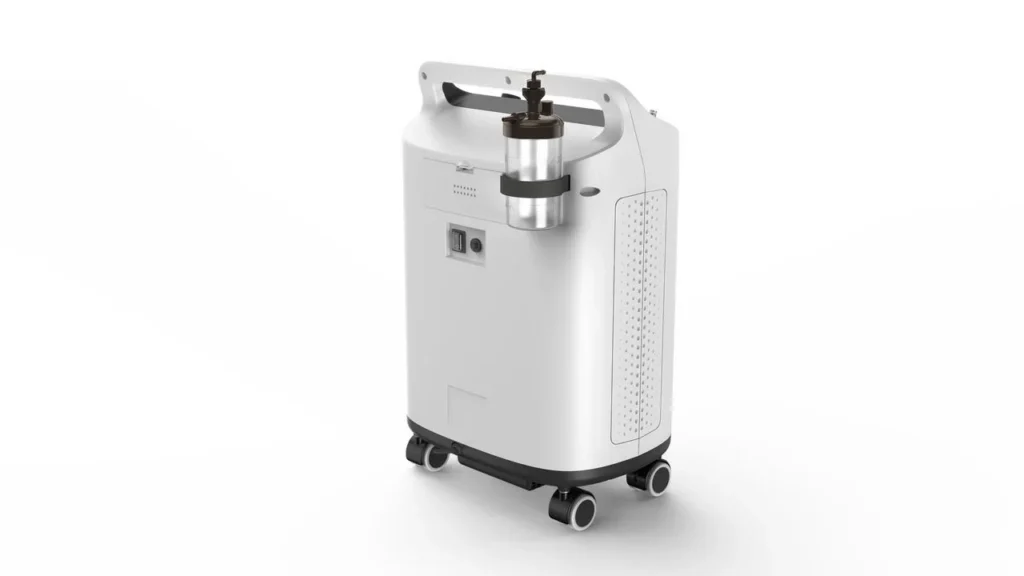
A stationary concentrator is generally designed for home use with higher, continuous output. A portable oxygen concentrator is built for mobility and is usually lighter, battery-based, and often pulse-dose focused.
To compare quotes for oxygen concentrators fairly, they should separate quotes into “home” and “portable” groups and avoid mixing them in one shortlist.
Does the quote specify continuous flow, pulse dose, or both?
Many portable units provide pulse dose only, while some provide continuous flow at lower rates. Stationary units more commonly provide continuous flow.
They should confirm the delivery mode matches clinical needs, because the wrong mode can make a cheaper quote meaningless when comparing quotes for oxygen concentrators fairly.
Are they comparing the same flow rate range and performance claims?
They should check the stated litres per minute (LPM) for continuous flow and the pulse settings if applicable. They should also look for oxygen concentration range specifications and whether performance changes at different settings.
When they compare quotes for oxygen concentrators fairly, the benchmark is “meets the prescription reliably”, not “has a bigger number somewhere in the brochure”.
What should they check about accessories and inclusions?
They should confirm exactly what is included, because accessories can add hundreds of pounds in Australia. A quote that seems cheaper may exclude essentials.
To compare quotes for oxygen concentrators fairly, each quote should list consumables and fittings clearly.
Does the quote include cannulas, tubing, filters, and a humidifier bottle?
They should verify how many nasal cannulas and how much tubing is included, plus whether spare filters are provided. If a humidifier bottle is clinically recommended, they should confirm it is included and compatible.
If one quote includes a starter pack and another does not, they are not comparing like-for-like.
Are batteries, chargers, and carry gear included for portable units?
They should check the number of batteries, whether it includes a mains charger and a 12V car charger, and if a carry bag or cart is included. Battery quantity and capacity directly affect usable time away from power.
To compare quotes for oxygen concentrators fairly, they should ask each supplier to state expected runtime at the prescribed setting.
Other Resources : Electric vehicle charging equipment
What service and support should be included in the quote?
Support is often where costs and stress appear later, especially for people in regional Australia. A fair comparison includes service response times, servicing schedules, and fault handling.
They should treat service terms as part of the price when they compare quotes for oxygen concentrators fairly.
Is delivery, setup, and patient education included?
They should confirm whether delivery to their home is included and whether setup is done on-site. Training matters, especially for alarms, cleaning, and safe use around heat sources.
If one supplier includes setup and another expects them to self-install, it is not a fair comparison.
What are the warranty terms and what do they exclude?
They should check warranty length, what is covered, and whether consumables are excluded. They should also ask about warranty handling timeframes and whether a replacement unit is provided during repairs.
To compare quotes for oxygen concentrators fairly, they should compare warranty terms line by line, not just the number of years.
Is there a maintenance schedule and who pays for it?
They should ask whether servicing is required to maintain warranty, how often it is recommended, and what it costs in Australia. Some quotes include scheduled servicing for a period, while others do not.
When they compare quotes for oxygen concentrators fairly, they should include expected maintenance costs over at least 12 months.
What hidden costs commonly distort quote comparisons?
Hidden costs often sit outside the headline price. They can appear as delivery fees, consumables, call-out fees, or restocking charges.
They should insist on a full cost breakdown to compare quotes for oxygen concentrators fairly and avoid surprises.
Are there call-out fees, after-hours fees, or remote area surcharges?
They should confirm whether technical support visits incur a call-out fee and whether after-hours support costs more. For rural or interstate delivery, they should ask about remote area surcharges.
A supplier with strong metro support may be less competitive for regional Australians once these fees are included.
Are they being quoted purchase, rental, or rent-to-buy?
They should confirm the commercial model, because rental can look cheaper upfront but cost more over time. Rent-to-buy terms vary and may include balloon payments or minimum rental periods.
To compare quotes for oxygen concentrators fairly, they should convert each option into an estimated total cost over the same timeframe, such as 6 or 12 months.
See Also : What Happens If You Put Off an Oxygen Tank
What should they check about compliance and safety in Australia?
They should ensure the concentrator meets relevant Australian electrical safety expectations and that the supplier provides clear safety guidance. They should also confirm any required documentation for funding or clinical records.
When they compare quotes for oxygen concentrators fairly, compliance reduces risk, especially for households with vulnerable patients.
Does the supplier provide serial numbers, model numbers, and clear documentation?
They should ask for the exact model number, not just a product family name. Documentation should include user manuals, warranty terms, and service contact details.
Clear paperwork also helps if they later need to claim through private health, NDIS, or other Australian funding pathways.
Is noise level and power use stated in the quote?
Noise and power draw matter for day-to-day living. A louder unit can disrupt sleep, and higher power use can be a bigger issue in homes watching energy bills.
To compare quotes for oxygen concentrators fairly, they should ask for decibel ratings and wattage, ideally at typical operating settings.
How can they create a simple “like-for-like” comparison table?
They should put each quote into a one-page table with matching rows. That forces suppliers to be transparent and makes gaps obvious.
To compare quotes for oxygen concentrators fairly, they should only compare totals after the table is complete.
What headings should they use in the table?
They should use: device type, delivery mode, flow range, oxygen concentration range, included accessories, battery details, delivery/setup, warranty, service terms, maintenance costs, and all fees.
They should add a final row for “total cost over 12 months in Australia” to keep comparisons grounded.
What questions should they ask suppliers before choosing?
They should ask the same questions to every supplier and request written answers. This helps avoid sales pressure and ensures accountability.
To compare quotes for oxygen concentrators fairly, consistency in questioning is as important as the numbers.
What are the most useful questions to ask?
They should ask:
- What exact model is quoted and is it new or refurbished?
- What is included in the box, itemised?
- What are expected battery runtimes at the prescribed setting?
- What are all delivery, call-out, and return fees in Australia?
- What happens if it fails and how quickly can they replace it?
How should they judge value if two quotes are close in price?
They should choose based on reliability, support speed, and suitability for the patient’s routine, not minor price differences. The cheapest option can cost more if it fails often or lacks local support.
To compare quotes for oxygen concentrators fairly, they should prioritise the quote that best matches clinical requirements with the clearest service commitments.
What is a fair final checklist before they commit?
They should confirm the quote is itemised, the model and mode match the prescription, and the full 12-month cost is understood. They should also verify warranty handling and whether a loan unit is available during repairs.
If anything is vague, they should pause and request clarification in writing to compare quotes for oxygen concentrators fairly.
FAQs (Frequently Asked Questions)
How can Australians compare quotes for oxygen concentrators fairly?
Australians should ensure each quote covers the same equipment type, service level, and ongoing costs. They need to check that all quotes specify the same oxygen flow rate, delivery mode (continuous flow or pulse dose), included accessories, and service terms to make a genuine and fair comparison without hidden fees or missing inclusions.
What patient needs should be clarified before comparing oxygen concentrator quotes?
Before comparing quotes, patients should confirm their prescribed oxygen flow rate, daily hours of use, and whether they require continuous flow or pulse dose delivery. Additionally, lifestyle factors like portability needs, power reliability in regional areas, and backup oxygen plans should be considered to determine suitable concentrator types and relevant quotes.
Why is it important to match device categories when comparing oxygen concentrator quotes?
Matching device categories is crucial because stationary home units and portable concentrators serve different purposes with varying features like output levels and mobility. Comparing a stationary unit quote with a portable one is unfair; quotes should be grouped by intended use, flow range, delivery mode, and included accessories before evaluating price.
What accessories and consumables should be checked in an oxygen concentrator quote?
Quotes should clearly list included consumables such as nasal cannulas, tubing lengths, filters, and humidifier bottles if clinically recommended. For portable units, batteries, chargers (mains and 12V car), carry bags or carts should be specified. Differences in these inclusions can significantly affect overall costs and usability.
How do service support and warranty terms impact the comparison of oxygen concentrator quotes?
Service response times, servicing schedules, fault handling procedures, warranty length, coverage details including exclusions for consumables, and replacement policies during repairs all influence long-term costs and stress. These elements must be compared line by line as part of the total price to ensure a fair evaluation.
What hidden costs should Australians watch out for when comparing oxygen concentrator quotes?
Hidden costs often include delivery fees, setup charges, call-out fees for technical support visits (especially after-hours), remote area surcharges for rural locations, restocking fees, and maintenance expenses. Insisting on a full cost breakdown helps avoid surprises and ensures an accurate comparison between suppliers.