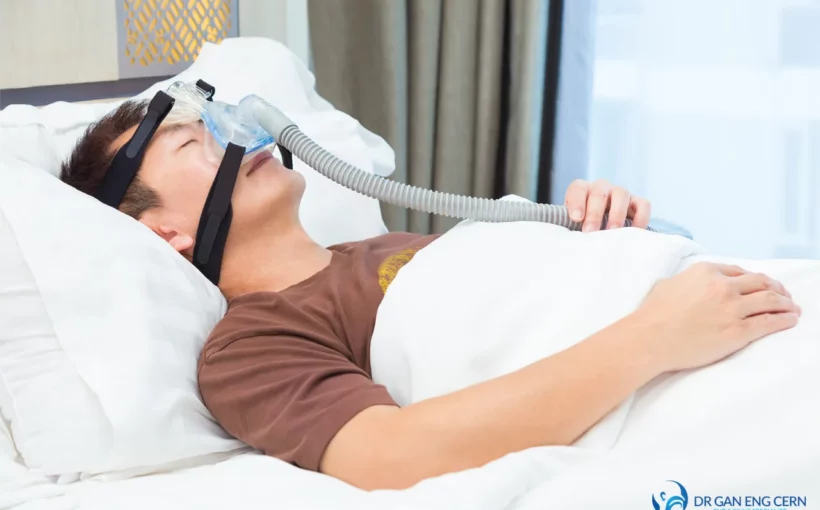
The good news is most leaks are fixable. The tricky bit is that a CPAP mask leak can come from a few different places at once, so they need to narrow it down instead of randomly tightening straps until their face hurts.
Is it actually a CPAP mask leak or just normal venting?
Every mask has intentional vent holes to flush out exhaled carbon dioxide. That airflow can feel strong, especially when they first notice it.
They can do a quick check.
Point the vent away from their hand, then place a hand near the cushion seal (where it touches the face). If the strongest airflow is at the vent, that is normal. If it is blasting from the cushion edge, that is a CPAP mask leak.
Is the mask the wrong size or the wrong style for their face?
Fit problems are a top reason for a CPAP mask leak. A mask can be “close enough” in the clinic, then fail at home once they are on their side, jaw drops, or the pressure ramps up.
If they are between sizes, or the cushion sits on a spot that moves a lot (like the bridge of the nose), leaks can keep coming back. Some people also just do better switching styles.
Common clues:
- Nasal mask leaks at the mouth: they may need a chin strap or a full face mask
- Full face mask leaks at the nose bridge: they may need a different cushion shape or a mask with a softer frame
- Nasal pillows feel fine but leak when they move: they may need a different pillow size or more stable headgear
If they keep chasing the same CPAP mask leak week after week, it is often a sign the mask style is mismatched, not that they are “doing it wrong”.
Are they over-tightening the straps?
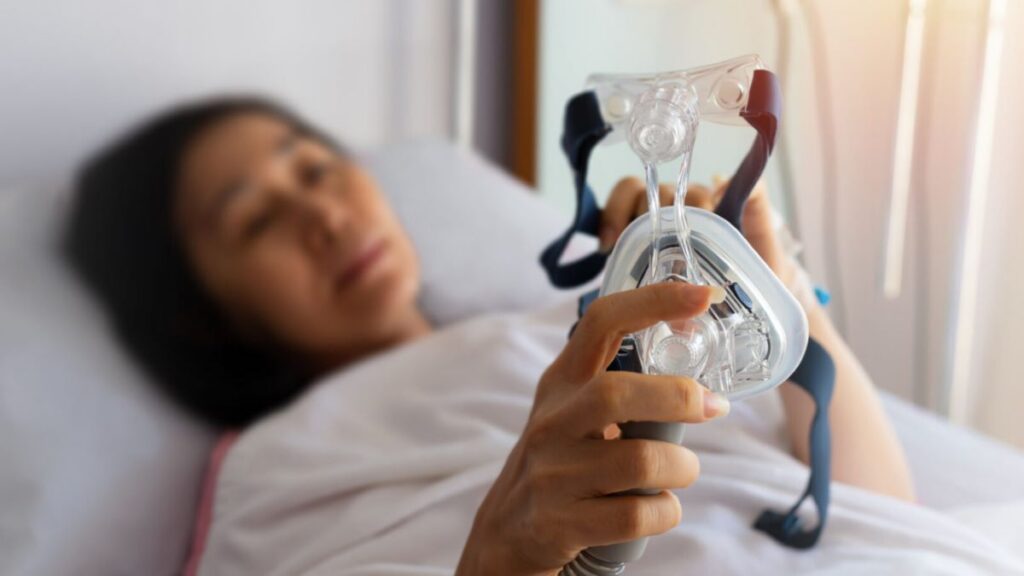
This sounds backwards, but it matters. Over-tightening can warp the cushion so it cannot inflate and seal properly. Then the CPAP mask leak gets worse, not better, and they crank it tighter again. Vicious loop.
A better approach is to start looser than they think, turn the machine on, then tighten only until the leak stops. Following manufacturer guidance for CPAP mask fitting can also help achieve a comfortable seal without overtightening. If the mask needs to be painfully tight to behave, something else is off (size, cushion wear, or headgear stretch).
Is the cushion worn out, dirty, or too slippery?
Cushions do not last forever. Oils from skin, moisturiser, and general wear can make the seal inconsistent. Even a small change can trigger a CPAP mask leak at higher pressures.
They can try this:
- Wash the cushion with warm water and mild soap, then air dry fully
- Avoid heavy face creams near bedtime, especially around the seal area
- Replace the cushion if it is shiny, stiff, cracked, or constantly slipping
If they suddenly develop a CPAP mask leak after months of stability, worn cushion material is a prime suspect.
Are they leaking because their mouth is opening during sleep?
This one is sneaky. They might be using a nasal or pillow mask, breathing fine through the nose at the start, then their jaw relaxes and air escapes through the mouth. They wake with a dry mouth, sore throat, or higher leak readings.
Options they can consider:
- Treat nasal blockage so nose breathing is easier (saline rinse, humidification, clinician advice)
- Add a chin strap to support the jaw
- Switch to a full face mask if mouth leaks keep happening
A mouth-related CPAP mask leak can be the main reason they still feel tired even when they are “using it all night”.
Is their sleeping position pushing the mask out of place?
Side sleeping can be brilliant for breathing, but it can also shove the mask sideways and break the seal. A CPAP mask leak that only happens on one side is often caused by the pillow, not the mask. Learning about healthy sleep positions for people using CPAP therapy may help reduce pressure on the mask and improve the seal.
Practical fixes:
- Use a CPAP friendly pillow with cut outs
- Try a slightly firmer pillow so the face does not sink in
- Route the hose over the headboard or use a hose lift so it does not tug
Sometimes the entire CPAP mask leak problem is just hose drag.
Could their pressure settings be making leaks worse?
Higher pressure can reveal small fit issues. If they are on auto adjusting therapy, pressure may surge during REM sleep or when they roll onto their back, and that is when the CPAP mask leak starts hissing.
They should not change pressure on their own unless their clinician has advised it. But they can:
- Check leak graphs in the machine app or clinician report
- Note when leaks happen (early night vs late night)
- Ask whether pressure ranges, EPR, or ramp settings could be contributing
If pressure changes are driving the CPAP mask leak, the solution may be settings plus fit, not just fit alone.
What quick checklist can they run tonight to fix it?
If they want something simple and not a full science project, they can run this in order.
- Re seat the mask with the machine on and straps slightly loose
- Tighten gradually, one side at a time, until stable
- Check cushion cleanliness and dryness
- Re position the hose to reduce pulling
- If using a nasal style, watch for mouth breathing and dry mouth signs
This usually knocks out the most common CPAP mask leak patterns without buying anything.
When should they replace parts or get help?
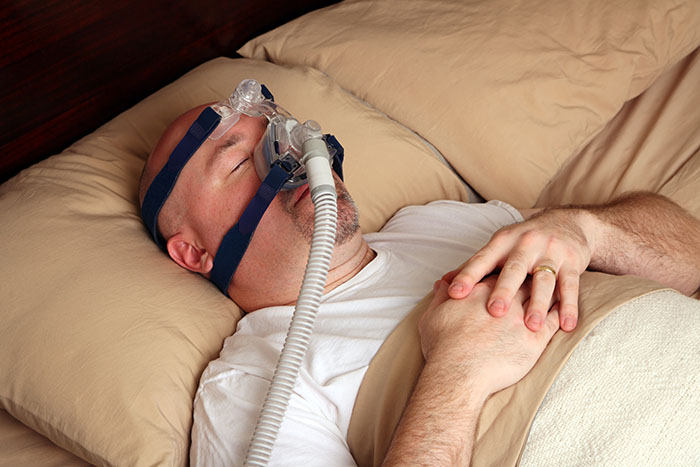
If the CPAP mask leak continues after a week of consistent troubleshooting, it is time to look at replacements or professional fitting. Headgear can stretch, cushions can fail early, and sometimes the mask model just does not suit their face. If they are also considering oxygen concentrator for home use, it is worth understanding the key factors before making a purchase.
They should consider reaching out if:
- They need extreme tightness to stop the CPAP mask leak
- Leaks wake them nightly or irritate eyes and skin
- Therapy data shows large leaks most nights
- They suspect mouth leaks but cannot control them
In many cases, swapping to a better fitting option costs less than months of poor sleep and frustration.
They do not have to live with a CPAP mask leak. Once they figure out whether it is fit, wear, mouth opening, or sleeping position, the fix tends to be straightforward. And when the seal is right, the whole therapy feels quieter, easier, and honestly more normal.