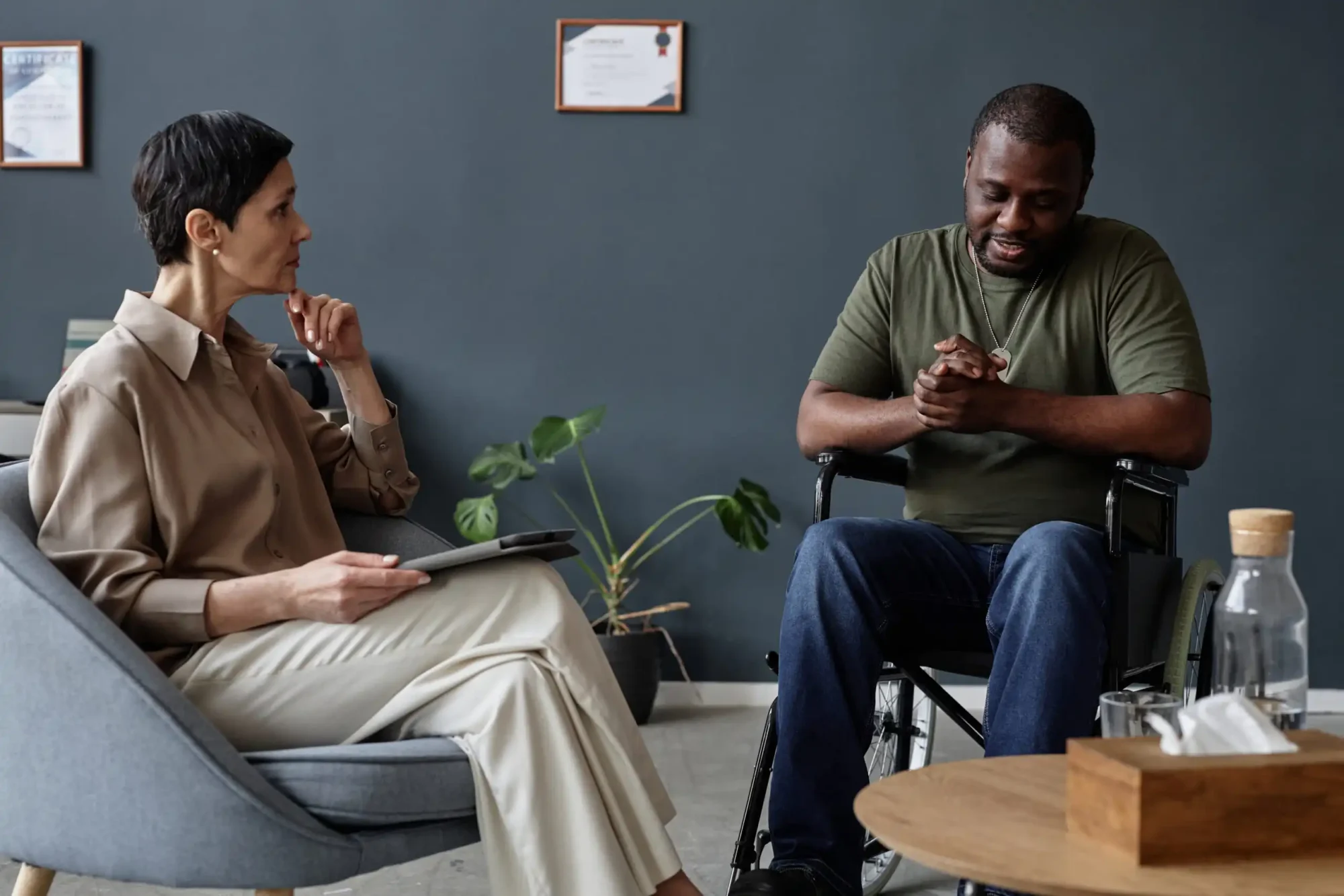
The aim is simple: create safety, build trust, and agree on the next step. A first addiction counselling session is not a test, and they do not need to “say the right thing” to benefit.
What happens in a first addiction counselling session?
A first addiction counselling session usually starts with a brief explanation of how counselling works, then moves into questions about goals and day to day life. They will be supported to share only what they are comfortable sharing.
The counsellor typically asks about current substance use or behaviours, recent stressors, and what prompted them to book in. A first addiction counselling session often ends with a short plan for what to do before the next appointment.
Why does it start with gentle questions instead of advice?
It starts with gentle questions because understanding comes before solutions. They might have heard plenty of advice already, but counselling works best when it reflects their reality and choices.
In a first addiction counselling session, questions help identify patterns, triggers, risks, and strengths. That information guides practical support that fits their life, whether they live in Brisbane, Melbourne, Perth, regional NSW, or anywhere in between.
What kinds of questions might they be asked?
They may be asked what they are using, how often, and what it does for them. They might also be asked what they have tried before, what worked, and what made things harder.
A first addiction counselling session can include questions like: “When did they first notice it was a problem?” and “What would they like to be different in a month?” These questions are meant to reduce shame and increase clarity.
Do they need to share everything in the first session?
They do not need to share everything. They can set boundaries, pause, or say they are not ready to answer a question.
A first addiction counselling session is about building a working relationship, not forcing disclosure. If they have trauma, legal issues, family violence, or deep grief, the counsellor may acknowledge it and return to it later when they feel more stable.

How do counsellors talk about confidentiality in Australia?
They will usually explain confidentiality early so they know what stays private. In Australia, counsellors generally keep information confidential, with clear limits around safety and legal obligations.
A first addiction counselling session often includes a plain English explanation of when a counsellor may need to act, such as immediate risk of serious harm. If they are unsure, they can ask directly what gets recorded and who can access it.
Will they be judged for relapse or “not being ready”?
They should not be judged for relapse, ambivalence, or mixed feelings. Many people arrive unsure whether they want to quit, cut down, or simply stop things getting worse.
A first addiction counselling session is often designed to meet them where they are. The counsellor may explore readiness gently, because pressure tends to increase avoidance, not motivation.
What if they do not know whether it is “addiction”?
They do not need a label to seek support. In Australia, many people start counselling because something feels out of control, risky, expensive, or emotionally draining.
A first addiction counselling session can help them map what’s happening, including frequency, consequences, cravings, and how much effort it takes to stop. The counsellor may discuss “dependence” or “problematic use” without forcing a single definition. For those looking for additional support, addiction counselling services can also provide practical guidance tailored to the person’s circumstances.
How do mental health and substance use get discussed together?
They will often be asked about anxiety, depression, sleep, trauma, or stress at work. This is not to pathologise them, but to understand what the substance or behaviour may be helping them cope with.
A first addiction counselling session may include screening questions and a short history of mental health support. If they already see a GP in Australia or have a psychologist, the counsellor might suggest coordinated care, with their consent.
How are goals set when they are unsure what they want?
Goals are usually kept small and realistic at the start. They might choose a safety goal, a reduction goal, a “pause and review” goal, or a support goal like telling one trusted person.
In a first addiction counselling session, the counsellor may ask what matters most right now: health, parenting, relationships, money, work, or avoiding legal trouble. Those values often guide the first few steps more effectively than big promises.
What practical tools might be offered straight away?
They may be offered one or two simple tools rather than a full program. This could include urge surfing, a craving plan, safer use strategies, or planning around high-risk times like weekends, payday, or FIFO swings. Access to addiction recovery support can make it easier to practise these strategies consistently and adjust them as triggers or circumstances change.
A first addiction counselling session might also introduce a tracking method, such as noting what happened before and after use. The idea is to learn patterns without self punishment.
How is risk assessed without making it scary?
Risk is usually explored calmly and directly. They may be asked about mixing substances, overdose risk, driving, aggression, blackouts, withdrawals, or unsafe situations.
A first addiction counselling session can also cover protective steps, like having naloxone available for opioids, using supervised services where available, or involving a trusted support person. The tone is typically matter of fact, not alarmist.
What role do family, partners, and kids play in the first session?
They may be asked who is in their support network and who is affected. This can include partners, ex partners, children, parents, housemates, and workplace relationships.
A first addiction counselling session might explore whether they want family involved later, especially if communication has broken down. In Australia, some services offer family inclusive practice, but it should be led by their consent and safety needs.
What happens if they are mandated to attend in Australia?
If they are attending due to court, employer, or child protection requirements, the counsellor usually clarifies what attendance or progress reporting looks like. They can ask what information may be shared and with whom.
A first addiction counselling session still aims to support them as a person, not manage them as a case. Even when attendance is compulsory, the work is more effective when they choose at least one personal goal.
How do they know if the counsellor is the right fit?
Fit matters, and they are allowed to be selective. They can notice whether they feel respected, heard, and not rushed.
A first addiction counselling session is a reasonable time to ask about the counsellor’s approach, experience, and what a typical plan looks like. If the vibe feels wrong, they can request another clinician or try a different service in their area.
What should they bring or prepare beforehand?
They usually do not need much. If they can, they might bring a list of medications, any recent hospital discharge notes, and a rough idea of what they want help with.
For a first addiction counselling session, it can help to think about recent examples: when things went well, when they didn’t, and what was happening around them. They do not need to prepare a speech, only a starting point.
How long does it take, and what happens after the session ends?
Sessions in Australia are often 45 to 60 minutes, depending on the service. The end of the appointment usually includes a brief summary and one next step.
A first addiction counselling session often finishes with scheduling the next session, discussing referrals if needed, and agreeing on a small action. They might leave with a simple plan for cravings, a support contact, or a check in appointment with a GP.
What are common next steps in Australia after the first appointment?
Next steps vary by state and need. They may continue weekly counselling, join a group program, or be referred to withdrawal support, a rehab service, or mental health care.
After a first addiction counselling session, they might also be encouraged to link in with Australian supports like a local community health service, a GP, or peer groups. If cost is a barrier, they can ask about bulk billing options, public services, or sliding scale fees.
What if they leave feeling emotional or exhausted?
That reaction is common, even if they barely shared details. Naming a problem out loud can bring relief and grief at the same time.
After a first addiction counselling session, they might be advised to keep the rest of the day light if possible, hydrate, eat, and sleep. If they feel unsafe, they should reach out to a trusted person or an Australian crisis service immediately.

How can they make the most of the second session?
They can note what came up after the appointment, including cravings, dreams, anger, or sudden clarity. Even one example of a difficult moment is useful material.
A first addiction counselling session sets the foundation, but the second session often brings structure. They can return with questions like “What should they do when the urge hits at 9pm?” or “How can they handle mates who pressure them?”
What should they remember most about starting counselling?
They should remember that early sessions are about safety and direction, not perfection. Progress often looks like small honest steps, not dramatic turning points.
Where Can You Find Gambling Help in Australia?
A first addiction counselling session is a starting line, and a first addiction counselling session usually starts with gentle questions rather than pressure or judgement. If they show up, speak as openly as they can, and agree on one next step, that is already meaningful movement forward.
FAQs (Frequently Asked Questions)
What can I expect during my first addiction counselling session in Australia?
A first addiction counselling session usually feels quieter and more practical than expected. It begins with gentle, non-judgmental questions to understand your situation, aiming to create safety, build trust, and agree on the next steps without pressure or tests.
Why do counsellors ask gentle questions instead of giving advice right away?
Counselling starts with gentle questions because understanding your unique reality and choices comes before offering solutions. This approach helps identify patterns, triggers, risks, and strengths to provide practical support tailored to your life in Australia.
Do I have to share everything about my addiction in the first session?
No, you do not need to share everything. You can set boundaries, pause, or decline to answer questions if you’re not ready. The first session focuses on building a trusting relationship rather than forcing disclosure.
How is confidentiality handled during addiction counselling in Australia?
Counsellors explain confidentiality early in the session, clarifying what information stays private and outlining legal and safety limits. They provide plain English explanations about when they might need to act, such as in cases of immediate risk of serious harm.
Will I be judged if I have relapsed or feel unsure about quitting?
You should not be judged for relapse, ambivalence, or mixed feelings. Counsellors meet you where you are and explore readiness gently because applying pressure often increases avoidance rather than motivation.
How are goals set if I’m unsure about what I want from counselling?
Goals are kept small and realistic initially. You might focus on safety goals, reducing use, taking a pause and reviewing progress, or seeking support from a trusted person. Your values like health, relationships, or work often guide these early steps effectively.